Green-blue infrastructure projects are instrumental in enhancing urban sustainability, biodiversity, and aesthetics. This importance of ensuring the long-term success of these projects is critical, a need to not only establish but maintain sustained efforts in preserving and nurturing green-blue spaces.
Urban forestry practitioners play a crucial role in enhancing the green canopy of urban spaces. To empower them with the knowledge needed for successful tree planting, this blog provides a brief overview of various systems available in their urban tree planting toolbox.
1. Soil Cells – Crate Systems:
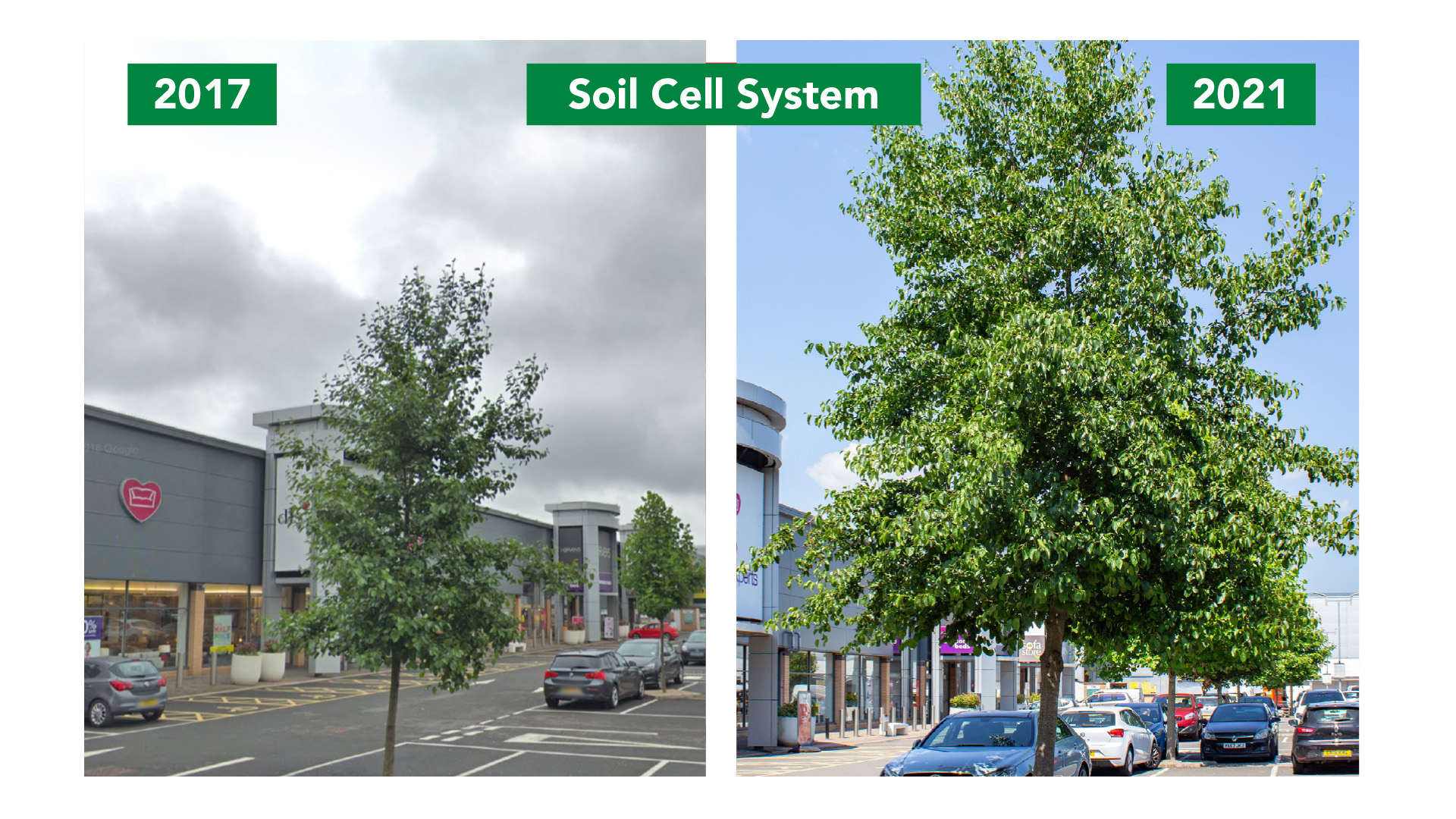
Crate systems, like RootSpace, offer an impressive 90% root-accessible volume with uncompacted soil.
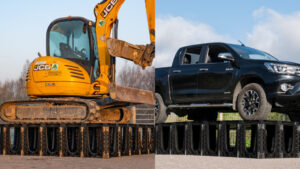
Load-bearing capabilities make them suitable for areas with vehicular traffic.
Ideal for stormwater tree pits, providing structural support and preventing soil compaction.
Notably, RootSpace is manufactured in the UK using 100% recycled material and is the only cell with BBA certification, a testament to its reliability following exhaustive testing.
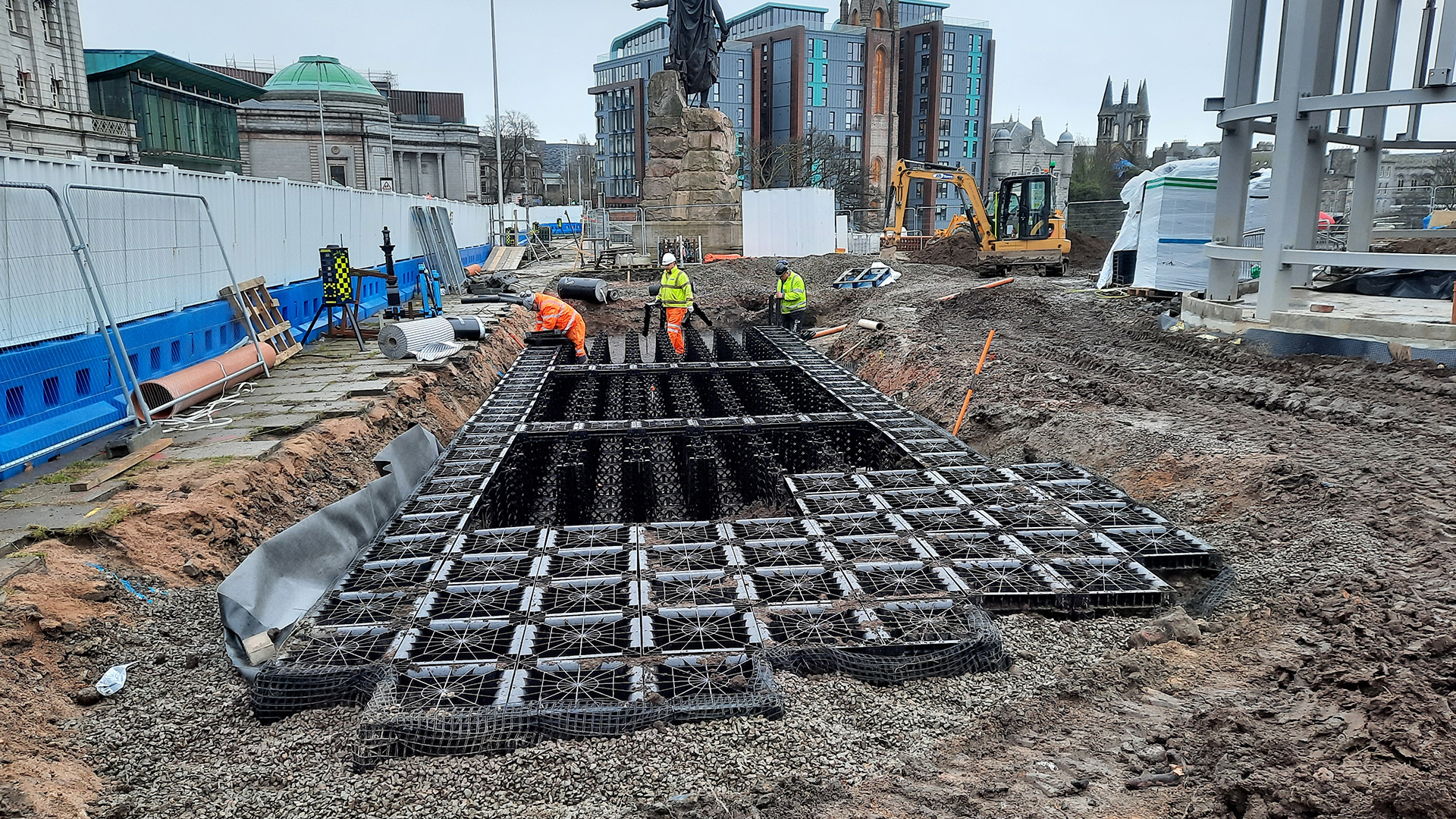
Being a complete novice at this and having no horticultural experience what so ever, at this we found it very easy to assemble once we got going and would recommend your product to anyone that’s thinking or in need of this type of product. Fleming Buildings Ltd.
2. Stockholm Solution:
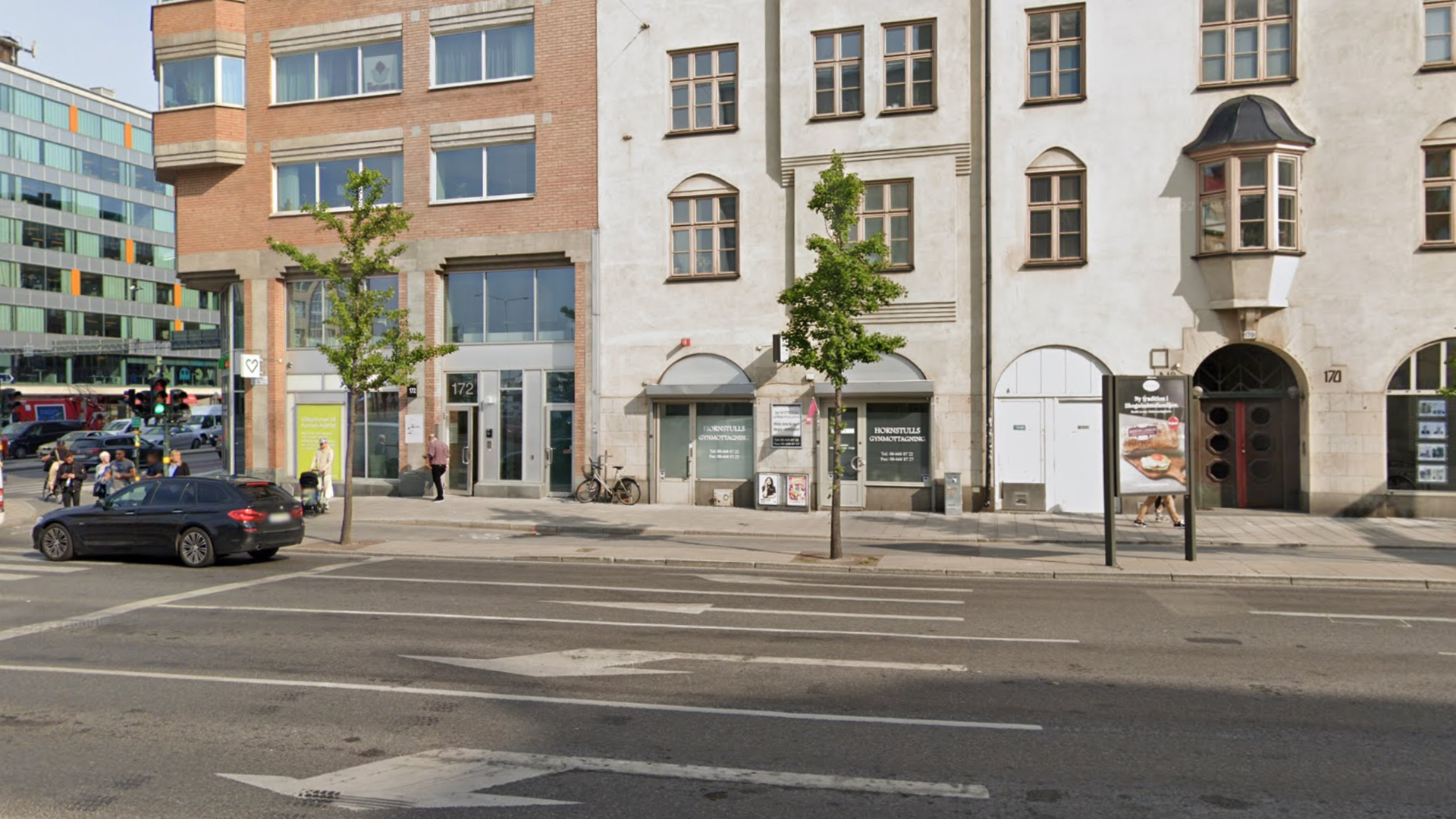
From Sweden, the Stockholm solution involves using a suitable-sized aggregate (45-75mm) as a structural component to support paved surfaces. Soil is placed between the gaps in the aggregate, allowing roots to populate the area.
While offering structural support, larger pits are required due to a usable soil volume at 20% of the product.
Additional nutrients and supplementary water are recommended, especially if not designed as a Sustainable Urban Drainage System (SUDS) tree pit system.
3. Tree Sand Methodology:
Tree sand, popular in the late 20th century, showed a low long-term success rate due to over-compaction and low nutrient levels.
Prone to losing health and vigour between 8-12 years, this method has been largely replaced by more sustainable alternatives.
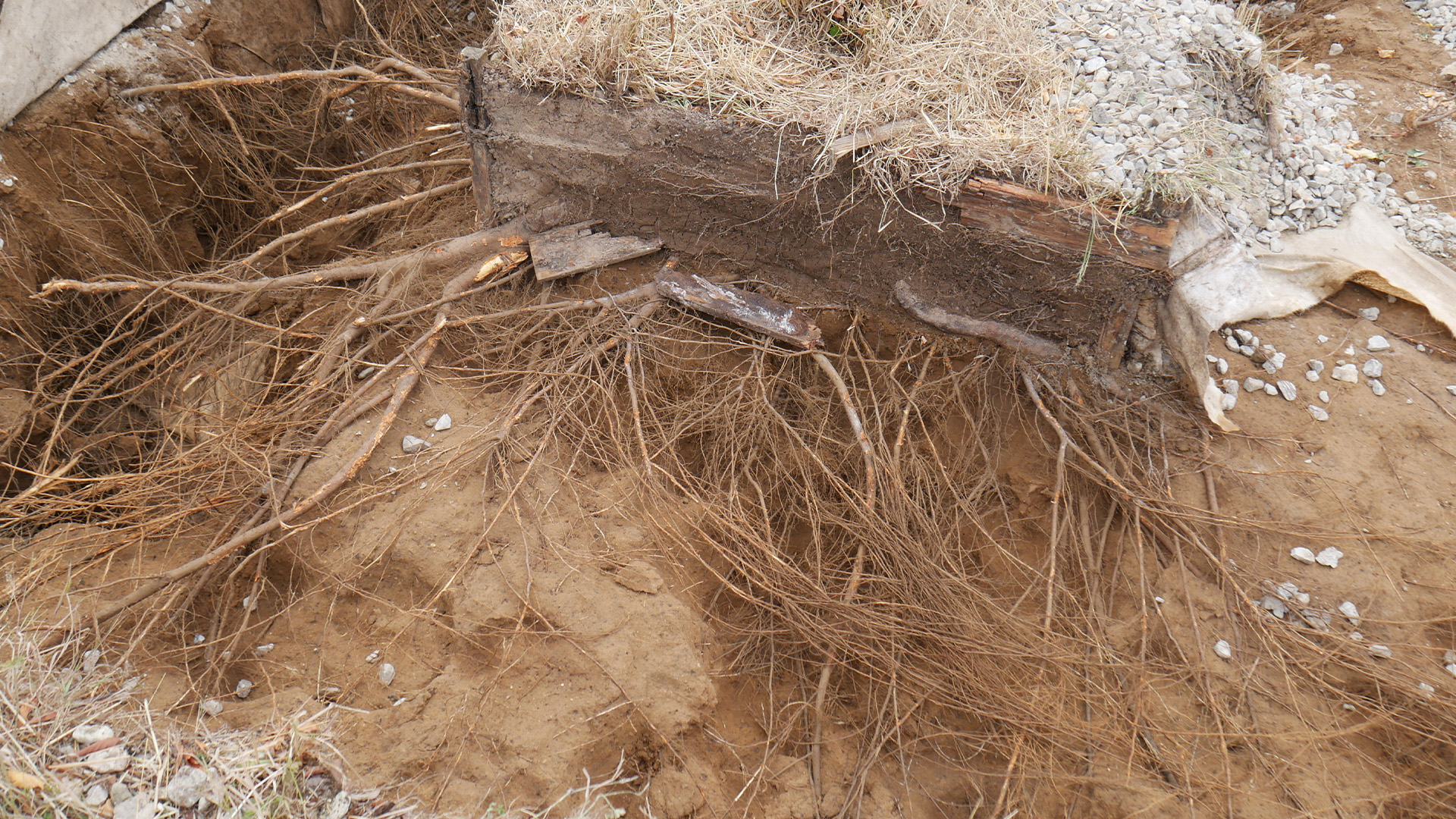
4. Raft System:
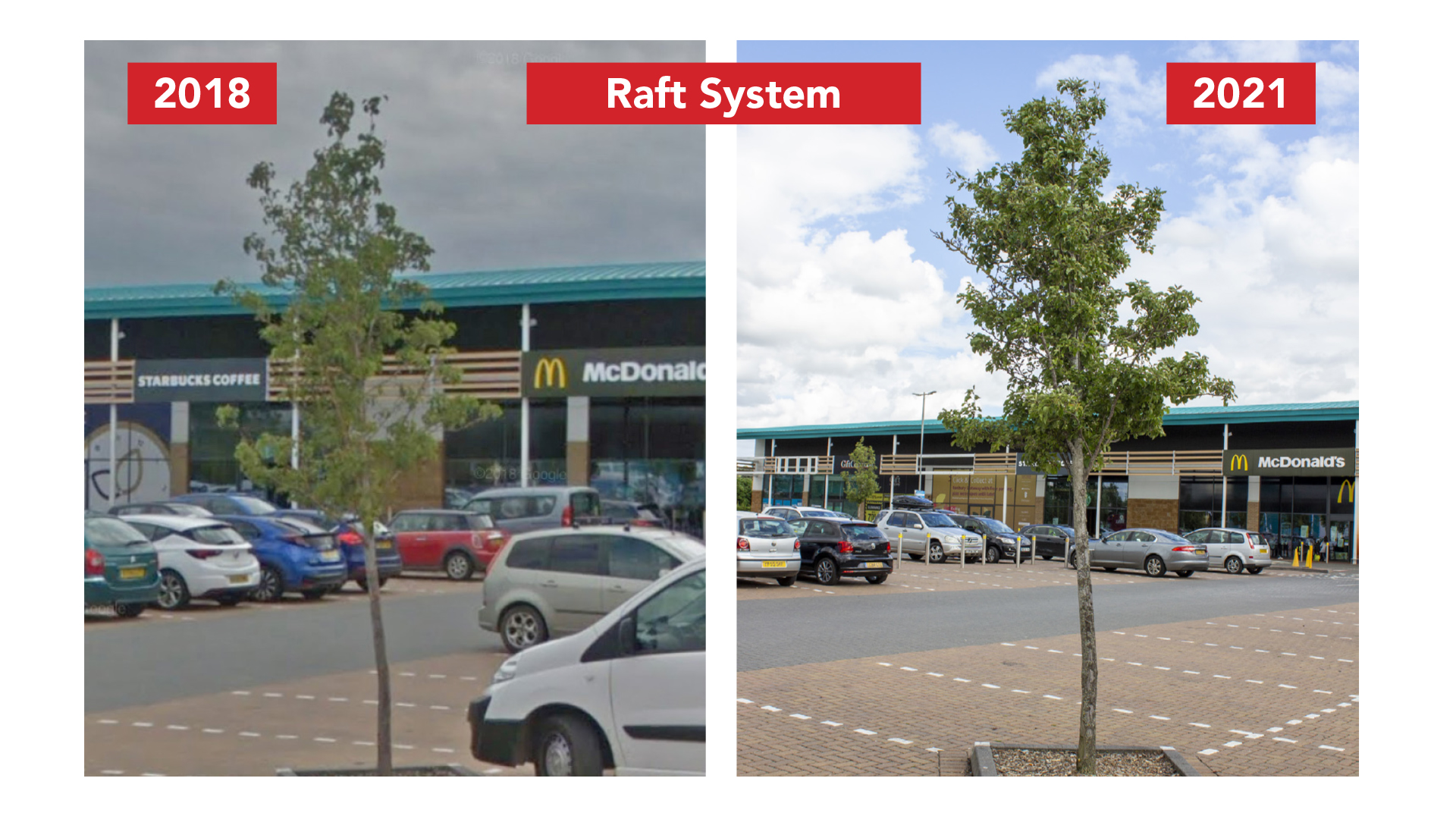
A layer system filled with sand-based soil, the raft system aims to spread the load with crates but ultimately transfers the load to the planting media below.
Trials at Hadlow Field in the UK in 2019 revealed that uncompacted media consistently produced better growth results above and below ground.
Bartlett Tree Labs conducted a similar trial in 2014, confirming that a cell-protected uncompacted soil media resulted in higher growth rates and better tree establishment.
Sustainable Practices for Long-Term Success:
Native Plant Selection: Choose native plants that are well-adapted to the local climate and require less maintenance, promoting ecological balance and resilience.
Soil Health Management: Implement soil management practices such as aeration, fertilisation, and organic matter addition to sustain soil health, supporting long-term plant growth.
As urban forestry practitioners continue to contribute to the green infrastructure in our towns and cities, the choice of tree planting systems becomes paramount. From crate systems like RootSpace to structural soil, considering lessons learned from trials, it’s evident that prioritising uncompacted, nutrient-rich soil is crucial for the long-term success of urban trees. By staying informed about these diverse tools in their toolbox, practitioners can make well-informed decisions, contributing to vibrant and sustainable urban green spaces.
Contact GreenBlue to learn more #successfulsolutions