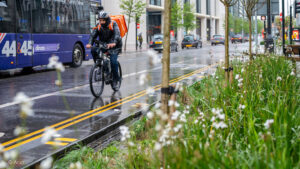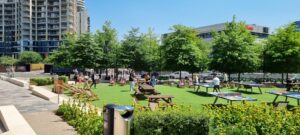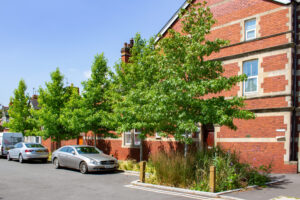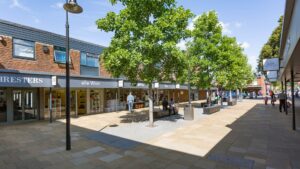
In the ever-evolving landscape of urban development, the incorporation of Sustainable Urban Drainage Systems (SuDS) has become a crucial aspect of responsible planning. As we move forward, the term “MicroSuDS” is gaining prominence, representing a finer, more efficient approach to stormwater management. In this blog, we will explore the significance of MicroSuDS and how GreenBlue Urban’s innovative product solutions can play a pivotal role in creating resilient, sustainable, and cost-effective urban environments.
The Essence of MicroSuDS:
MicroSuDS, short for Micro Scale Sustainable Urban Drainage Systems, takes a more granular approach to stormwater management. Unlike traditional SuDS, which often rely on large-scale features, MicroSuDS focuses on integrating smaller, localised solutions. These solutions are designed to be effective and unobtrusive, contributing to enhanced water management without compromising on space or aesthetics.
GreenBlue Urban’s Contribution:
GreenBlue Urban, a leading advocate for sustainable urban development, provides cutting-edge products that align seamlessly with the principles of MicroSuDS. By incorporating their solutions into new developments, developers can achieve a triple-win scenario – saving time, reducing costs, and minimising maintenance efforts.
1. ArborFlow Tree Pit Systems:
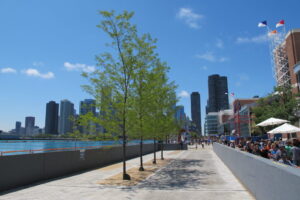
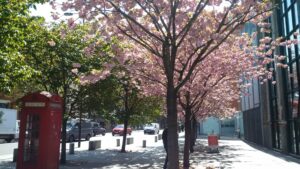
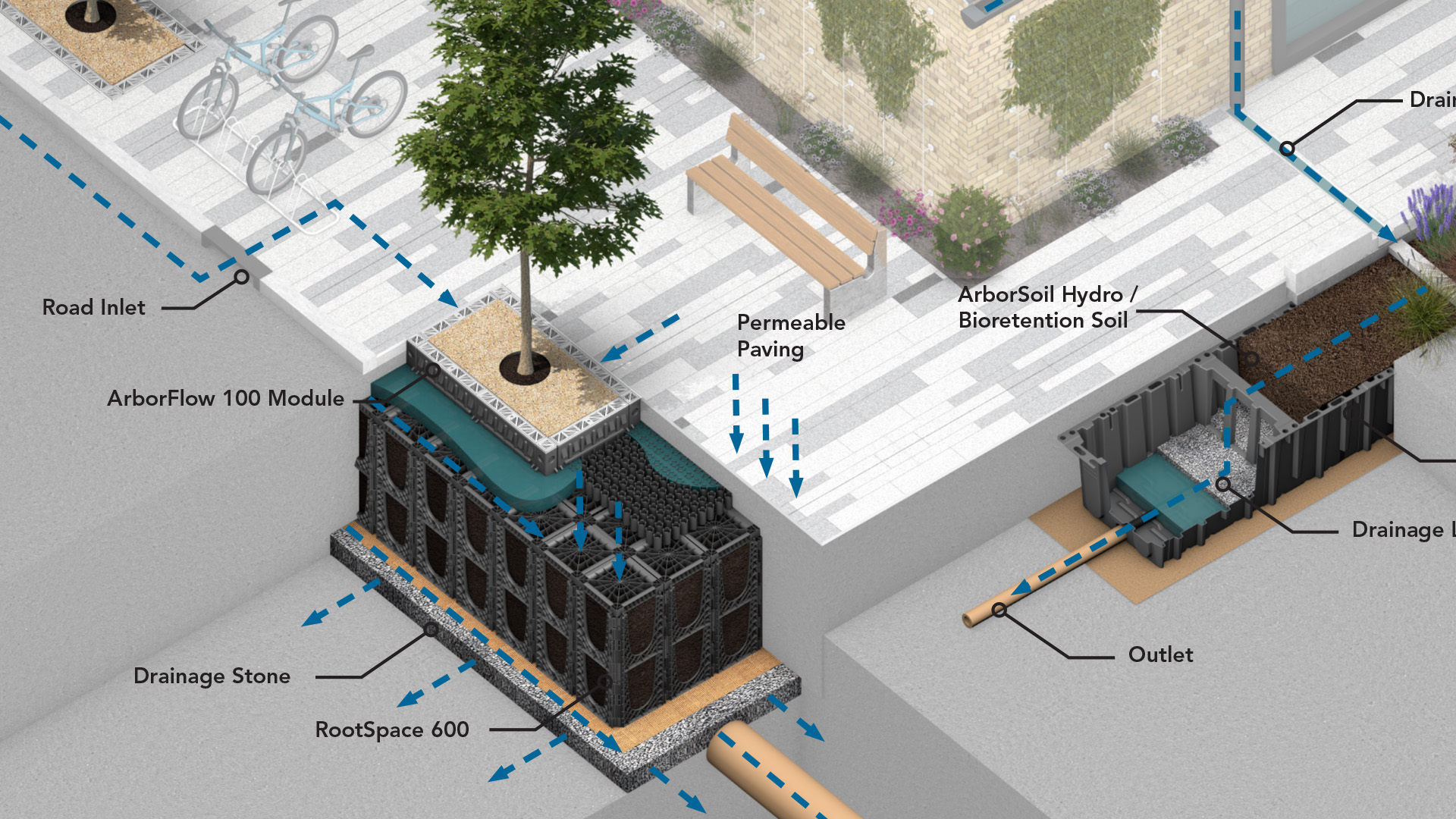
GreenBlue Urban’s ArborFlow Tree Pit Systems serve a dual purpose – providing a habitat for urban trees while effectively managing stormwater. These systems allow for rainwater infiltration into the soil, reducing surface runoff and preventing flooding. The trees, in turn, contribute to enhanced biodiversity and green infrastructure.
2. RootSpace Soil Cell Systems:
To address the challenge of limited space in urban environments, GreenBlue Urban offers RootSpace Soil Cell Systems. These innovative systems create a network of underground voids, promoting healthy root growth while simultaneously acting as a stormwater management tool. The increased soil volume enhances water retention and aids in reducing the overall runoff.
3. HydroPlanter Rain Gardens
Rain gardens have become one of the most accepted forms of Sustainable Drainage features in urban areas. Simple to design and install, these interventions can significantly assist with reducing peak flows into the drainage network, treat run-off water to levels acceptable for discharge into water courses and bring bio-diversity into our towns and cities. When correctly designed and installed, the GreenBlue HydroPlanter range of rain garden products meets the maximum pollution removal levels achieved by bioretention systems.

4. Above Ground Planter
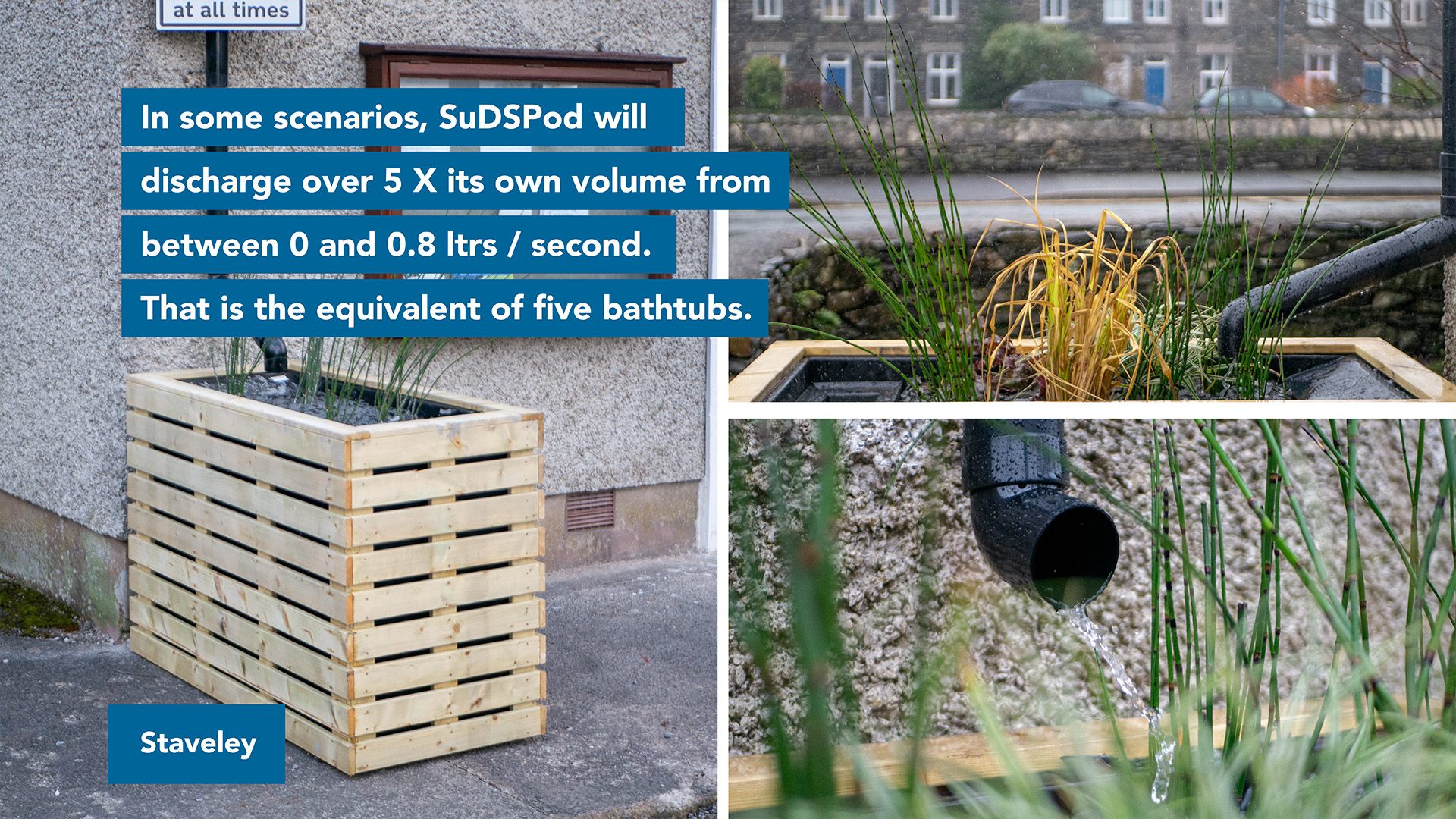
GreenBlue Urban’s cost-effective, cutting-edge solution SuDSPod addresses a myriad of challenges associated with stormwater management, ranging from peak flow rates from roofs, and complex designs to CSO overspills.
SuDSPod offers a versatile and innovative on-plot attenuation approach that benefits new developments and can be seamlessly retrofitted to private, and public housing and service buildings.
The patented design is the next generation of a traditional drain-down vessel, delivering industry-leading attenuation performance, providing up to five times its storage volume in some cases, and serving as an effective MicroSuDS solution.
Biodiversity Net Gain Legislation:
As of February 12, 2024, the Biodiversity Net Gain legislation comes into effect, emphasising the need for developments to enhance biodiversity rather than merely avoiding harm. GreenBlue Urban’s MicroSuDS solutions align perfectly with this legislation by creating urban environments that not only manage stormwater efficiently but also contribute positively to biodiversity.
Understandably there are unit changes to adhere to, however, with user guides and calculation tools available, we are pleased to include a recent CIEEM Training session hosted by Julia Baker from Mott MacDonald. Last year GreenBlue Urban also hosted a Podcast – What does Biodiversity Net Gain look like?
Collaboration for Long-Term Success:
In the realm of sustainable urban development, collaboration is key. By working together with developers, local authorities, and environmental experts, GreenBlue Urban aims to facilitate the implementation of MicroSuDS solutions that stand the test of time. The collective effort ensures that urban environments not only meet regulatory requirements but also thrive in terms of resilience, sustainability, and biodiversity.

As new developments continue to shape our urban landscapes, the integration of MicroSuDS solutions becomes paramount. GreenBlue Urban’s innovative product offerings provide a comprehensive toolkit for developers looking to enhance stormwater management, save time and costs, and contribute positively to biodiversity.
By embracing the principles of MicroSuDS and adhering to the Biodiversity Net Gain legislation, we pave the way for urban environments that are not only sustainable but also resilient and thriving for generations to come.