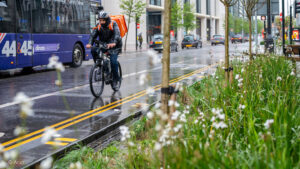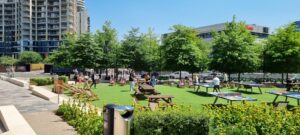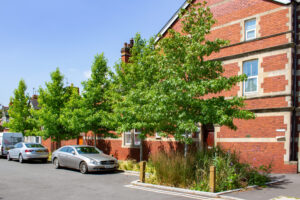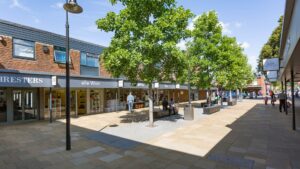
Urban trees are essential for the environmental benefits they provide. They filter pollutants, reduce the urban heat island effect, and provide wildlife habitat. We know that air pollution is a negative factor related to our health and wellbeing, and that urban trees contribute to mitigating the impact of climate change. It could be argued the expense is worth it for these benefits alone. But are there others benefits, including economic factors, that provide a more tangible return on investment in urban forestry?
The Economic Benefits of Urban Forestry
Urban trees, when strategically placed around buildings in an urban landscape, can help reduce energy costs. Estimates say air conditioning expenses can be reduced up to 30% and heating costs lowered by 20-50%. Those are savings that provide an ROI year-after-year. But that’s not all. Well-maintained trees increase property values, from 3-7%. That’s $10-25k in increased value at sale time for a $350,000 property. Need another reason? How about stormwater management. Urban trees help with water runoff reduction and reduce the needs of stormwater infrastructure, which leads to cost savings for city budgets. For every dollar invested in planting and maintaining urban trees, cities can see a return of up to $2.50. That is ROI.
But wait, there’s more!
Other Benefits of Urban Forestry
While urban trees show multiple tangible benefits, there are also intangible returns that trees provide. For example, there’s aesthetic value in what trees add to our cityscapes, giving residents a better living and working experience. This effect can domino, attracting more business, encouraging tourism and helping build the local economy. There are also various social and health benefits of urban forestry. They provide recreational spaces and community gathering locations, which promote mental health improvements and social cohesion. Green spaces also are associated with improving concentration and memory and reducing levels of stress.
Investing in a Green Future
The strategic growth of urban forests is vital for sustainable and livable cities. With the challenges of urbanization and climate change, urban trees are vital to the future of urban living. Urban forestry provides environmental, social and aesthetic benefits…benefits that all extend beyond just economic gains. With time and care, economic gains will also appear, and will allow urban spaces to have their cake and eat it too!