SuDS Tree Pits for
Urban Stormwater Management

Integrating tree planting with sustainable drainage to manage surface water while supporting long-term urban tree growth. GreenBlue Urban SuDS tree pit systems are used across streets, public realm and development projects to capture, store and treat surface water within tree planting infrastructure.

The Challenge

Designing tree pits that function effectively as part of a drainage strategy presents several technical challenges. Urban tree pits must support healthy root development while also managing water flows from surrounding paved surfaces.

Key design considerations include:

Managing inflow and storage of stormwater

Ensuring appropriate drainage and aeration

Maintaining stability beneath pavements

Coordinating with highways and utilities underground

“SuDS tree pits help trees thrive in hard urban landscapes while turning planting spaces into functional surface water management assets.”

The Role of Trees in Sustainable Drainage

Urban areas increasingly require effective solutions to manage surface water while improving environmental quality. Trees can contribute to sustainable drainage by intercepting rainfall, storing water within soil volumes and supporting evapotranspiration. 

When integrated into drainage design, tree pits can function as part of a wider SuDS strategy while also delivering the benefits associated with urban tree canopy. 

Key Benefits Include:

Reduction of surface water runoff 


Temporary storage of stormwater within soil volumes


Improved water infiltration and filtration


Urban cooling and environmental improvement


Increased tree canopy and biodiversity


Integrating trees within sustainable drainage systems allows green infrastructure and water management to work together.

How SuDS Tree Pit Systems Work

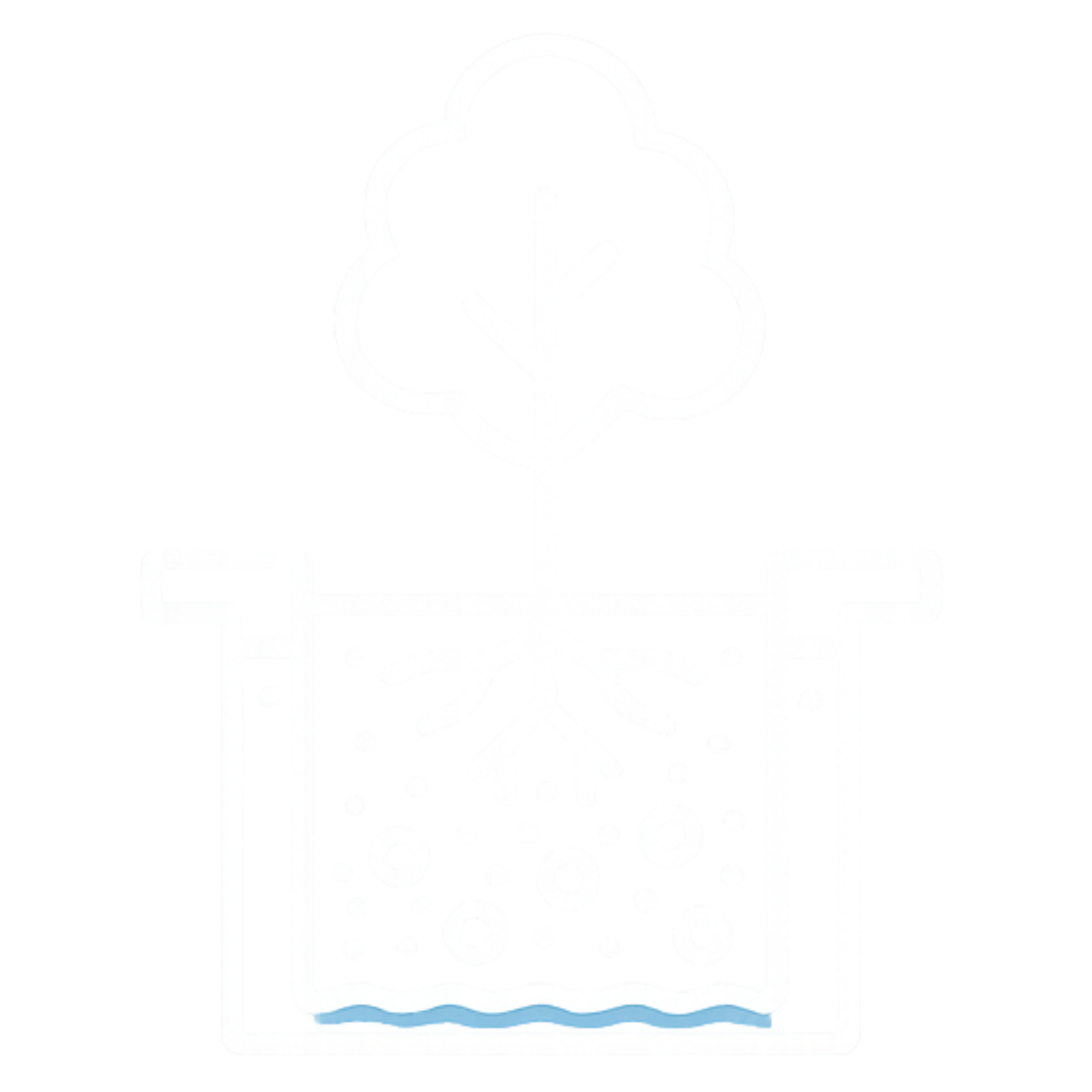
SuDS tree pits combine tree planting infrastructure with drainage components that allow stormwater to enter and be stored within the soil system. Surface water from surrounding paved areas can be directed into the tree pit where it is temporarily stored and filtered through the soil.

The tree and surrounding soil then contribute to water management through: 

Storage within the soil volume

Infiltration to surrounding ground where appropriate

Uptake and evapotranspiration through the tree canopy

ArborFlow

SuDS Tree Pit System

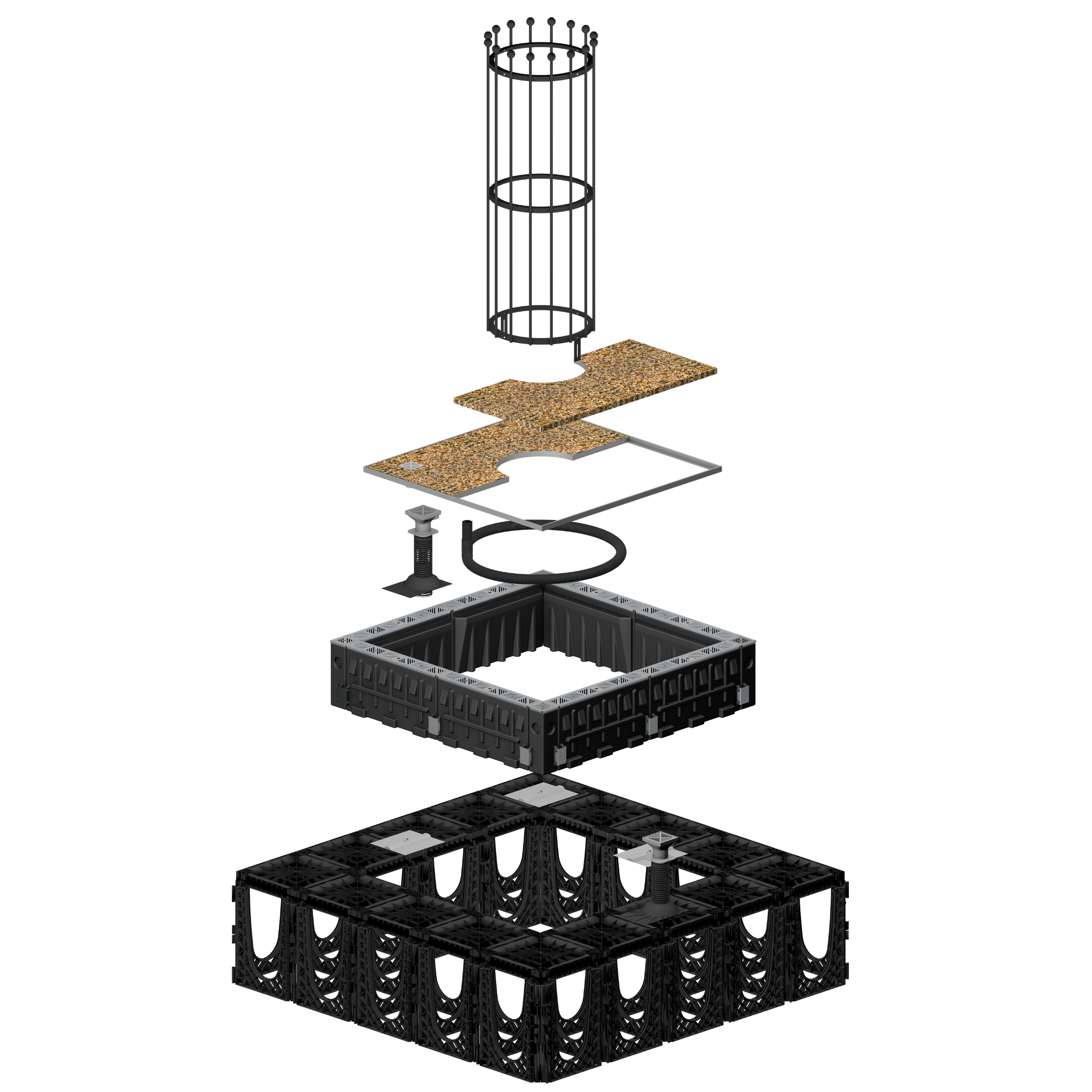
Systems such as ArborFlow integrate tree planting infrastructure with sustainable drainage within a coordinated system.

Key characteristics include:

Controlled inflow of surface water into the tree pit


Storage of stormwater within engineered soil volumes


Integration with structural soil cell systems where required


Compatibility with standard pavement construction methods


Flexibility to adapt to site conditions and drainage strategies

Infrastructure Used in ArborFlow

Successful SuDS tree pit systems combine several infrastructure components working together. These elements allow stormwater to enter, move through and be managed within the system, while also supporting healthy tree growth and maintaining pavement performance.

Typical components may include structural soil cell systems, drainage and distribution components, irrigation and aeration infrastructure, root management and protection systems, and surface finishes such as tree grilles and guards. 

Soil Cells

Soil cell systems designed to protect uncompacted soil beneath hard surfaces.

ArborCell

Attenuation modules designed to store and distribute water within ArborFlow systems.

StormForm

SuDS tree surround designed to capture, store and direct surface water into the tree pit

Root Management

Root management systems designed to guide growth and reduce surface conflict

Irrigation & Aeration

Systems that support healthy root conditions through irrigation and oxygen exchange

Geotextiles & Membranes

Geotextiles and membranes supporting soil separation, filtration and ground stability

Designing SuDS Tree Pits

Integrating tree pits within drainage infrastructure requires coordination between landscape design, drainage engineering and construction requirements.

Early engagement during the design stage helps ensure tree pits are correctly sized and incorporated into the wider drainage strategy. 

GreenBlue Urban regularly supports designers and engineers with: 

  • integration of tree pits within SuDS strategies
  • soil volume calculations and tree pit sizing
  • coordination with drainage infrastructure and utilities
  • practical installation considerations for contractors 

Giving Materials a Second Life

GreenBlue Urban polypropylene systems are manufactured using 100% recycled material derived from post-industrial and post-consumer sources, transforming existing resources into durable urban infrastructure. By keeping valuable materials in use for longer, we support a more circular approach to construction while reducing waste and helping to strengthen UK recycling and manufacturing industries.

Designed for demanding public realm applications, these systems deliver the durability and performance required for long-term use. Selected products are also supported by independently verified Environmental Product Declarations (EPDs), providing transparent environmental data to support informed specification and responsible procurement.

This is infrastructure built on the principle that materials still have value long after their first use.

Speak to
Our Team

Need help selecting the right solution for your project? 

Whether you require technical guidance, specification support, CAD details or product information, our team is here to help.

Complete the form and we’ll be in touch.