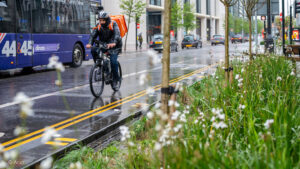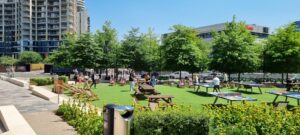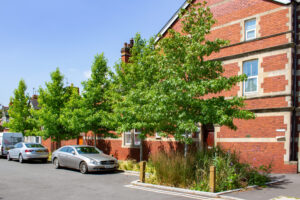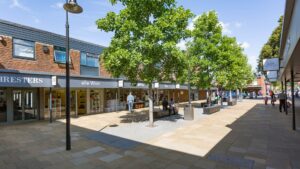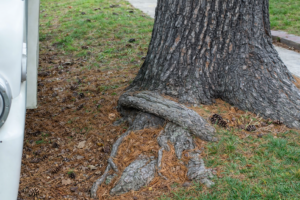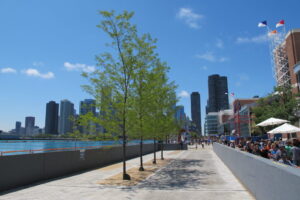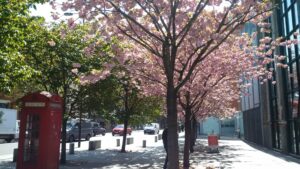
It is noticeable that the most successful developments have a green infrastructure at the core of the design; whether residential, commercial or retail, designers have long known that the provision of planting and trees can hugely enhance the built environment.
However, too often the landscape element is designed and installed last, and planting is fitted in “where possible”. This way of planning – by definition – means that in the hierarchy of design, the green elements are viewed as more expendable and are often subjected to value engineering late in the project.

GreenBlue Urban strongly recommend the integration of tree planting early in the decision process. By including the landscape professionals at the same time as civil engineers, utility providers and groundwork contractors, a full understanding of the requirements of different disciplines enable the original vision to be realised without long term problems.
GreenBlue Urban recommends putting trees all over development at the early planning stage, and only removing the ones which will be in the way of necessary roadways, utilities etc, as this will inevitably leave more space and more canopy cover opportunity.
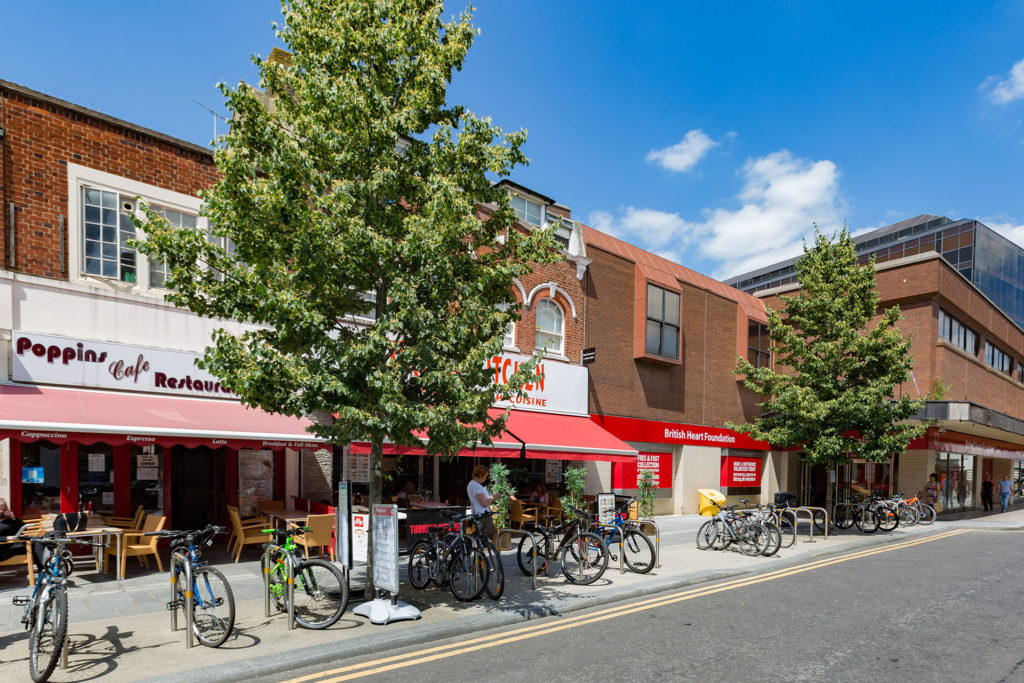
Where trees are properly integrated into development, they can provide benefits for centuries. Apart from the aesthetic attractiveness of a healthy tree, they help improve air quality, biodiversity and stormwater management like no other objects. In the light of climate change predictions:
There has never been a more important time to get trees established properly.
As has been shown in Medellin, Colombia, where the city authority planted 30 green corridors, improving the air quality and reducing city temperatures by 2-3° – literally growing a cooler city.
As we move towards more collaborative working, and away from siloed disciplines, it should become simpler to integrate green, blue and grey infrastructures. New legislation such as the Environment Bill in the UK will add impetus to the need for joined-up thinking and valuing our urban trees as multi-benefit assets in a more intelligent way.
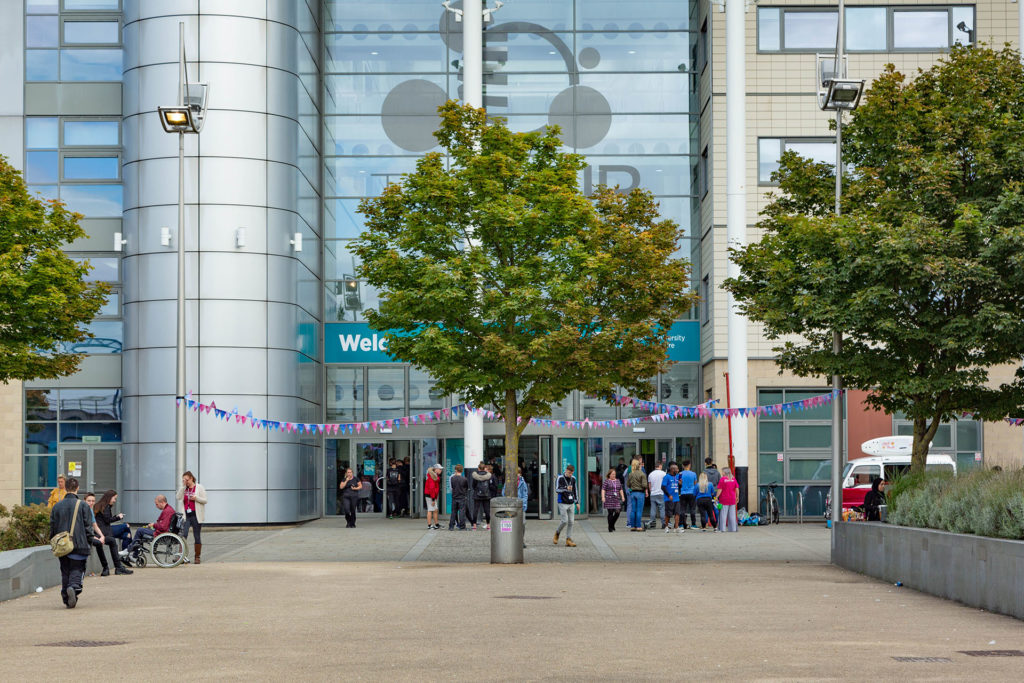
Working closely with Local Authorities, dedicated Specifiers, Contractors and Arborists enable us to provide the expertise required to make a difference for the long term and with many perfect examples one that always springs to mind that made a difference to a community is for the long term is Northwood Hills a perfect regeneration example with many more across the globe.
The need for cooler, more bio-diverse and ultimately more resilient urban areas is changing the way we think about our urban canopies, and at GreenBlue Urban we are strong advocates of:
Plant less trees, but plant them better. The right tree in the right place for the right reasons in the right way – the GreenBlue way..