Sheffield, one of the eight key City Regions with a devolution deal struck in the era of the Cameron/Osbourne ‘Northern Powerhouse’ project, faces some tough challenges and some stark choices if it is to grow ‘sustainably’ and deliver the green and blue infrastructure its citizens require. It is understandably known as one of the ‘greenest cities’ in Europe and the Council does have a long-term green infrastructure strategy in place that runs until 2013. There is vast potential for growth and regeneration, particularly in areas such as Bassetlaw, and these communities can capitalise on this opportunity to integrate ambitious green and blue infrastructure policy into the Neighbourhood Plans coming forward alongside the Local Plan.
Like the Greater Manchester Combined Authority, the area is comprised of pockets of affluence and other spaces scarred by the effects of large scale transport infrastructure projects. In such situations, the noise pollution and air quality have had a most detrimental impact on house prices and creative solutions have not been found to integrate innovative green and blue infrastructure designs to mitigate a proportion of the impact.
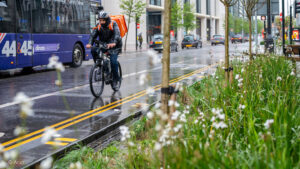
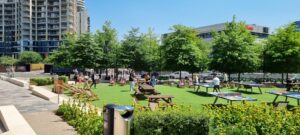
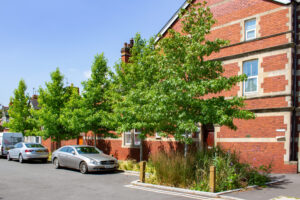
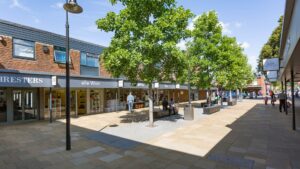
Whilst the city has made some laudable efforts to create publicly accessible and aesthetic public realm greenspace, notably the peace gardens in the city centre, other elements of the city’s green infrastructure are at risk. After the severe flooding incidents, the council are now seriously considering using public parks as flood alleviation areas in and around the city. This provokes many questions; despite the fact Sheffield has good canopy cover, why could more tree planting not take place to provide greater resilience across the city; could not improved, more SuDs compatible tree pits be retrofit in strategic locations to try to save these public spaces?
As the political and economic effects of a change of administration in Central Government unfolds, it will be fascinating to see how our Northern City Regions create and innovate with the resources allocated and how green and blue infrastructure is integrated into these strategies.