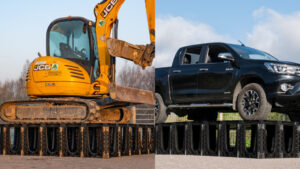
As part of GreenBlue Urban’s commitment to the EU Interreg Water Resilient Cities Project, GreenBlue Urban and Landscape Architect Chryse Tinsley travelled to Kortrijk to meet, teach and deliver a workshop to the students of the new ecotechnology course at the VIVES college campus. It is vital to inspire, engage and share experience with the next generation of engineers and landscape architects from across member states. VIVES continues to be an active and integral project partner in Water Resilient Cities and are leading on the developing of cross-border design principles of retrofitting SUDs.
What became clear was that communication and community engagement are critical to the long-term success of SUDs schemes in our towns and cities of the future. How can we communicate the added value of SUDs to stakeholders and end users who live, work and play in urban environments with little prior knowledge as to the important role green infrastructure, particularly tree pits, can play in managing storm water and climate proofing our towns and cities.
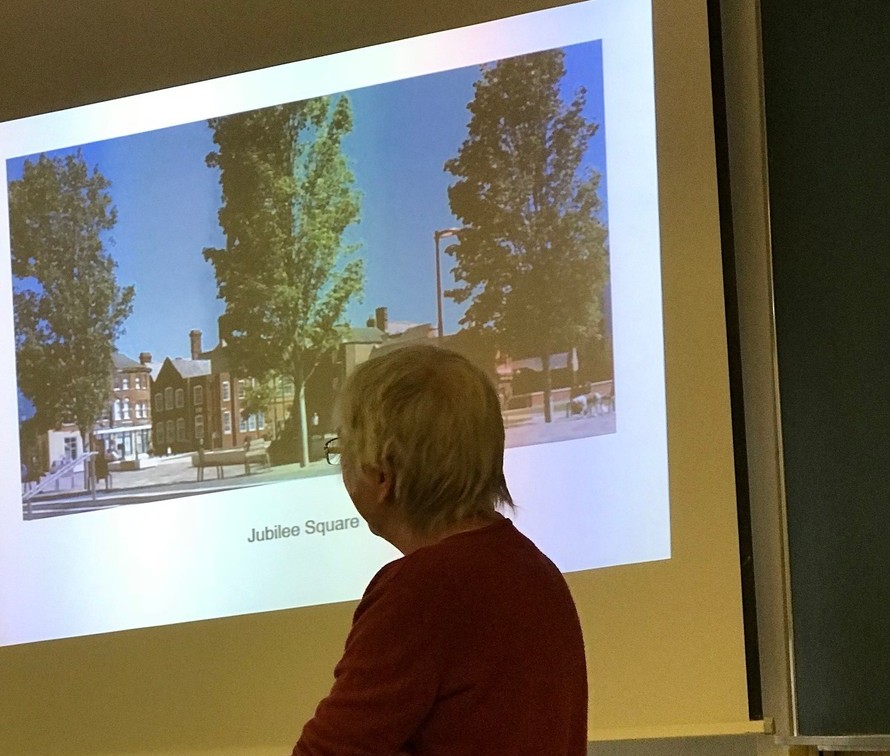
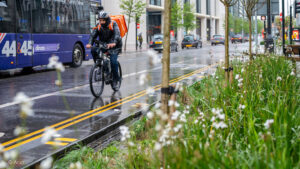
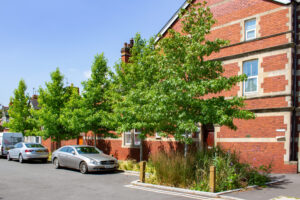
Chryse Tinsley provided a dynamic and engaging presentation looking at the different challenges landscape architects and local authorities face when integrating SUDs into both new development and retrofit contexts. An emphasis on the need to be flexible and creative when faced with a number of retrofit challenges. Every scheme is different; utilities, quality of existing soil and the complexity of traffic networks across our towns and cities, as well as the need to engage with local stakeholders, often with competing objectives means that no scheme will ever be the same! Goldhawk Road delivered by GBU and Bob Bray Associates was a case in point.
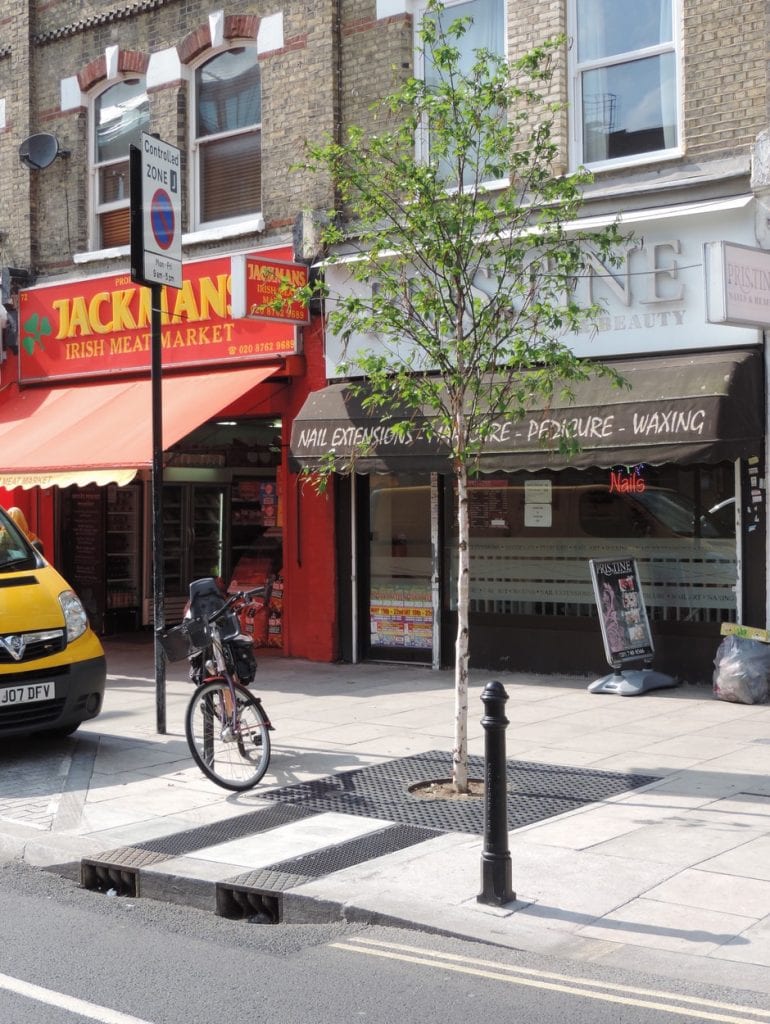
The delivered seminar built upon the principles of the CIRIA SUDs manual, with a particular focus on the bioretention tree pits. Students were able to take a hands on approach by putting one of the GreenBlue Urban RootSpace samples together and were also able to see the difference between the StrataCell and RootSpace systems.
Here at GreenBlue Urban, as project partners we have been using our experience in the field to contribute and develop a set of metrics with our partners in Belgium, Vives University, to score the added value of integrating green and blue infrastructure, with a focus on retrofit contexts. As you may remember from previous blogs, we have five pilot sites across France, Belgium and Holland and in Plymouth. Bruges, Middleburg and Plymouth are moving forward apace and our test SUDs tree pit sites, using the GreenBlue Urban Arborflow system, are being evaluated and scored using a set of key criteria on each site. This is so that we can better understand how to develop the system to better meet the needs of contractors, landscape architects, utilities companies and local authorities.
All in all, it has been a busy and eventful few months since the conference in Mechelen and with our collaboration with the SCAPE and SPONGE projects established there, we are looking forward to developing syngeries with this other Interreg programes where possible.