The Connection Between Nature, Humans and City
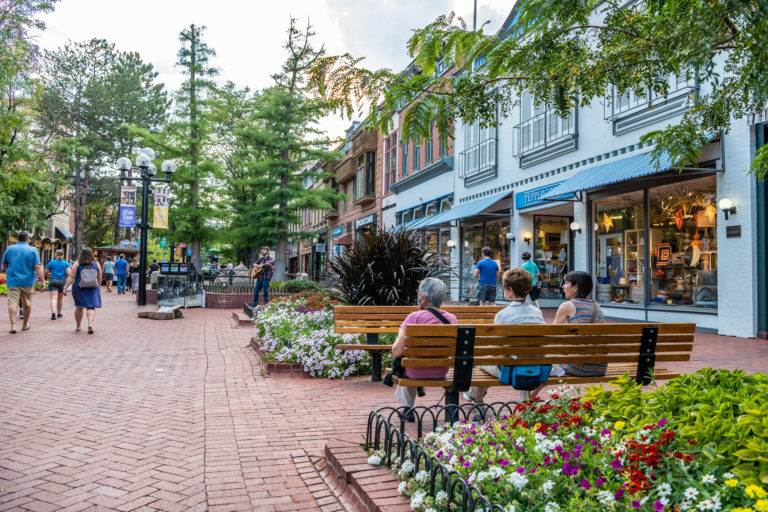
Fresh, healthy air was the most coveted commodity during the Covid-19 pandemic. And because of this fact, indoor and outdoor space is forever redefined!
In 2020-21, inner city restaurants and businesses had to drastically adjust their methods of service and utilization of space, lest they become one of the many thousands of businesses that did not survive these historic years.
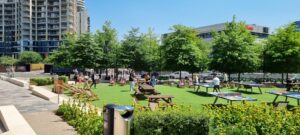
During this time, people were seeking ways to meet safely to fight the loneliness and economic loss of isolation. Coffee houses and restaurants were putting up temporary “bubbles” where social distance could be respected within a continuing environment of community. Urban establishments were utilizing every inch of outdoor space to maintain “business as usual.”
What was intended as a short-term solution has become the trend in 2022, as the appeal of “fresh air” remains adored and lucrative. The architectural world has taken it to task, and the open space of outdoors has brought new life to building in the inner city!
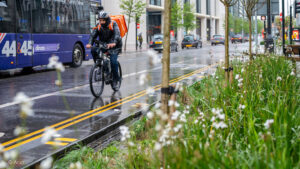
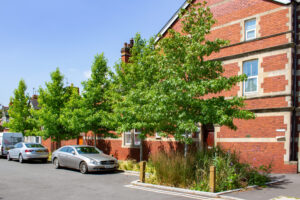
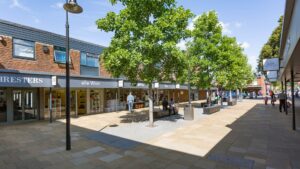
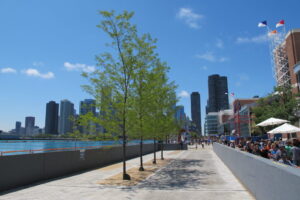
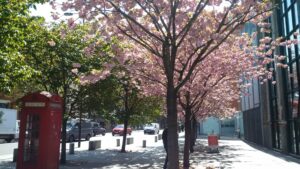
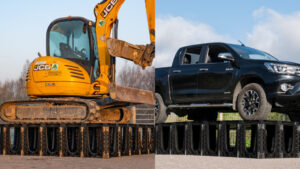
Observe urban new builds this year and you will notice businesses with ever-increasing green space…sunrooms, more windows, even rooftops and walls that yield gorgeous gardens year-round! The overall design of offices is geared toward energy efficiency and architects are incorporating more sustainable materials than ever before. Steel, reclaimed wood and recycled everything is very much in vogue, and many structures are incorporating rain gardens to preserve water and electricity. GreenBlue Urban’s ArborSystem Tree Pit Packages are being used in office and urban environments as they provide a complete turnkey sustainable solution for trees survive and thrive in urban settings. The ArborSystem combines root management, structural soil components, aeration, irrigation, and an above ground surface grill all in one complete package. The benefits of having tress in urban environments are plentiful. For example, did you know that a single mature tree can absorb carbon dioxide at a rate of 48 pounds per year and release enough oxygen back into the atmosphere to support two human beings? It’s true – and the list of benefits from trees is endless. So not only are green urban environments trendy, they actually support a much healthier eco-system.
Consumers are also getting “smarter,” and the architects and builders need to explore the most efficient ways to incorporate this trend. With endless creative apps at the consumer’s fingertips, from Pinterest to HGTV, customers know the “feeling” they want in their homes and offices. The once concrete mega-structures are now incorporating nature inside as well as outside, with aggrandized courtyards and sunrooms brought in to the professional setting.
Finishing touches on buildings are a key trend in 2022 as well. The customer who once fancied ornate moldings and details are swapping these out for a sleek, straight line that gives off a feeling of clean and fresh. The beauty of natural wood and the warmth it provides a room remains popular as well.
After two years of being confined by masks and distance, we are craving natural light, fresh air, and a feeling of “ahhhhhh” every time we walk into a space. The pandemic has forced a desire for a healthy and natural environment that encourages human interaction…two trends we predict are here to stay!