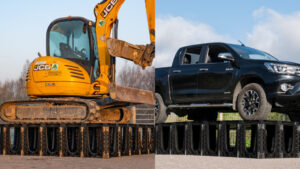
Working with associations that encourage urban designers and policy makers to create more sustainable and livable urban areas is exactly what GreenBlue Urban are all about. Organizations like the Urban Design Forum and Urban Design London work hard to ensure that the cities we build are places where people want to live, work, and play.
Mature urban trees can play a large role in this. A recent seminar called “Designing with Nature” presented the importance of urban trees and species selection, describing how nature can be a critical design tool for a coherent and multi-functional urban environment.
We wanted to draw two key elements to the attention of our audiences from the arboriculture, planning and engineering communities.

Multi-Functionality
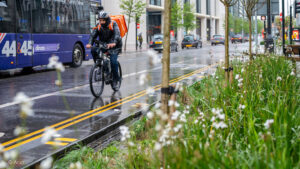
Peter Massini, a leading light at the GLA and frequent GreenBlue Urban collaborator, works on green infrastructure and LID / SuDs policy and could not underline enough the need to truly ensure that what we classify as ‘green space’ is not purely space that’s green but that it provides essential ecosystems services. Having presented images of unappealing patches of green around residential areas and water-logged sports pitches, he made some very important observations specifically relating to our urban trees. Firstly, what he classified as missed opportunities – contrasting a tree planted with no forethought or a below ground solution with a LID / SUDs compatible tree pit like at Pace University in New York City or on Goldhawk Road in London.
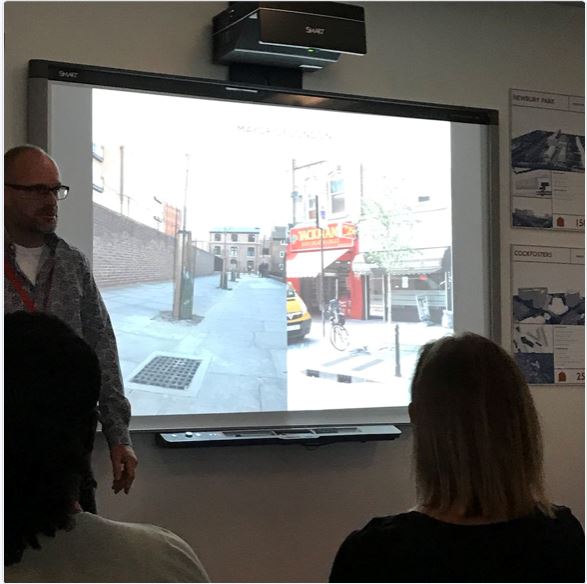
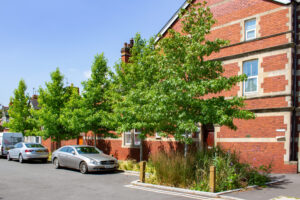
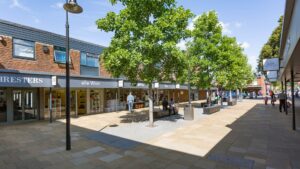
It is crucial that we don’t miss such opportunities to broaden the capacity of our urban trees through innovative tree pit design to combine root management with water attenuation. Peter then went on to highlight the need to integrate tree pits into more hardscape areas. At GreenBlue Urban, we have invested in years of research with Abertay University, the University of Tennessee, and others third party research institutes to develop and test our ArborFlow LID / SUDS tree pit system.
Species Selection and Rooting Environment
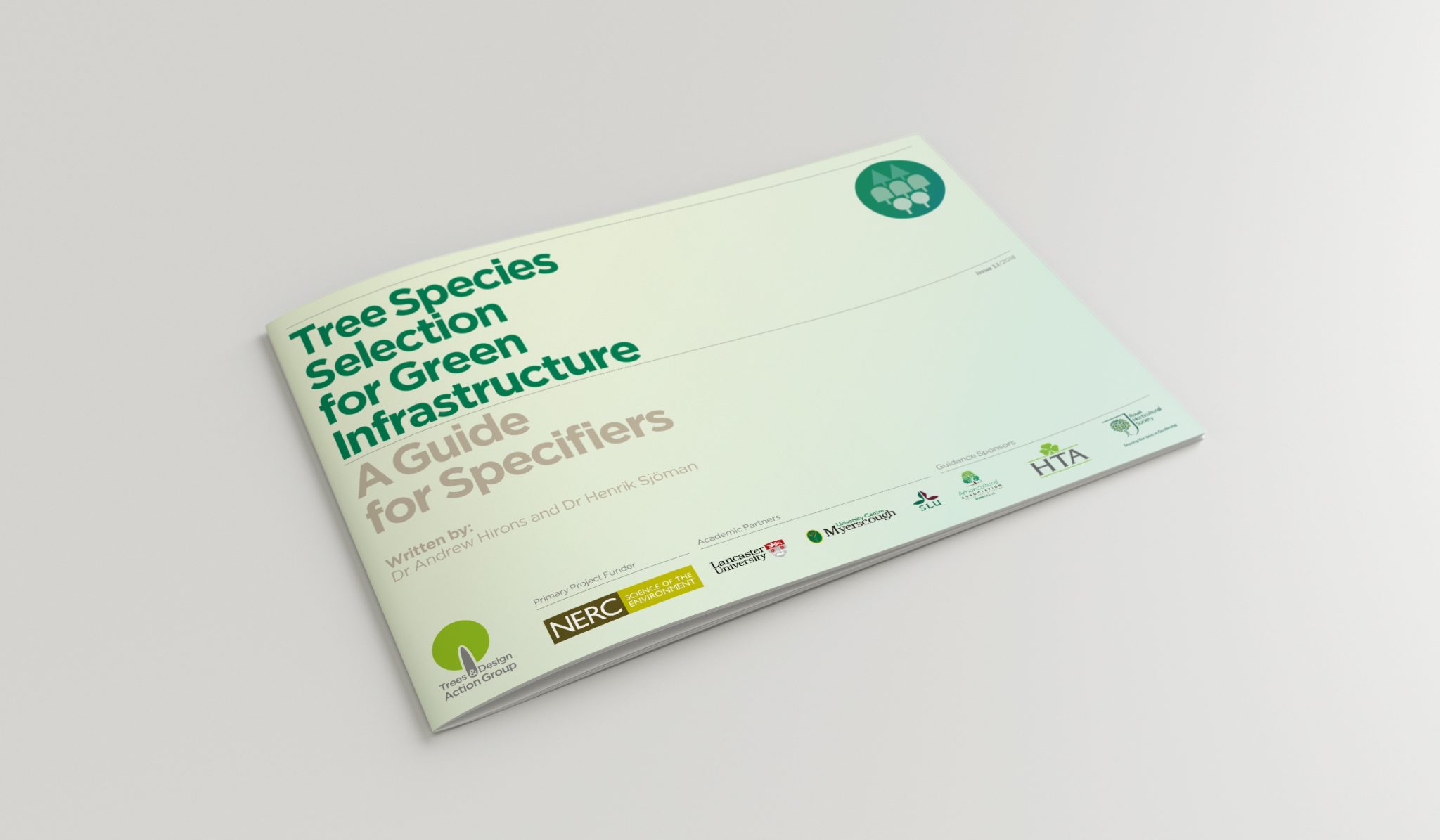
Dr Andy Hirons from Myerscough College provided a thorough and fascinating insight into the new species selection guide developed in collaboration with Dr Henrik Sjöman. At GreenBlue Urban, we always highlight the importance of species selection to ensure the long-term success and efficiency of our urban trees. The specie selection guide constitutes an accessible and holistic approach to tree species selection for our developing and ever-changing urban environment. Dr Hirons highlighted the importance of soil volume and the creation of a below-ground environment that is properly irrigated and aerated. When working with municipalities and local authorities we often find that the selection of species causes confusion and concern.
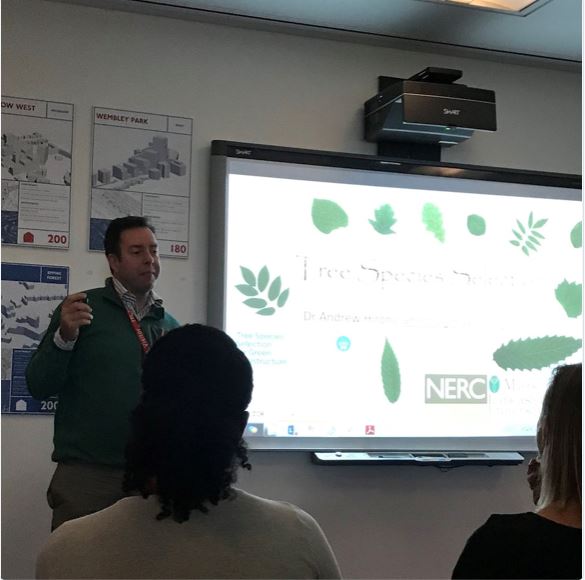
Dr Hirons explains that during the process of surveying key stakeholders when developing the tree species selection guide, many relied on nursery brochures that can often be focused too heavily on amenity rather than benefits and stormwater considerations. Decision-making tools, such as this guide, enable a broader approach. Urban Foresters and arborists have a user-friendly resource in this guide to strengthen their case for considered, function focused urban tree planting.
What are we trying to achieve by planting urban trees on any given site and how can we increase the value we derive from our investment?
Through using this guide, landscape architects, engineers and planners can engage meaningfully with arboricultural experts to develop a common language. Specific species in the guide are highlighted for their suitability for integration into paved environments.
Our latest webinar in The Process of Successful Urban Tree Planting series also discusses placement of trees and what should be considered when planning your tree pit for urban tree planting.