Opened just recently, the pioneering SUDs scheme, ‘Greener Grangetown’, is situated in the heart of Cardiff city centre. Whilst we can point you to the technical details of the scheme and wax lyrical about the hydrology and engineering involved, this blog focuses on the human and community narrative surrounding this project.
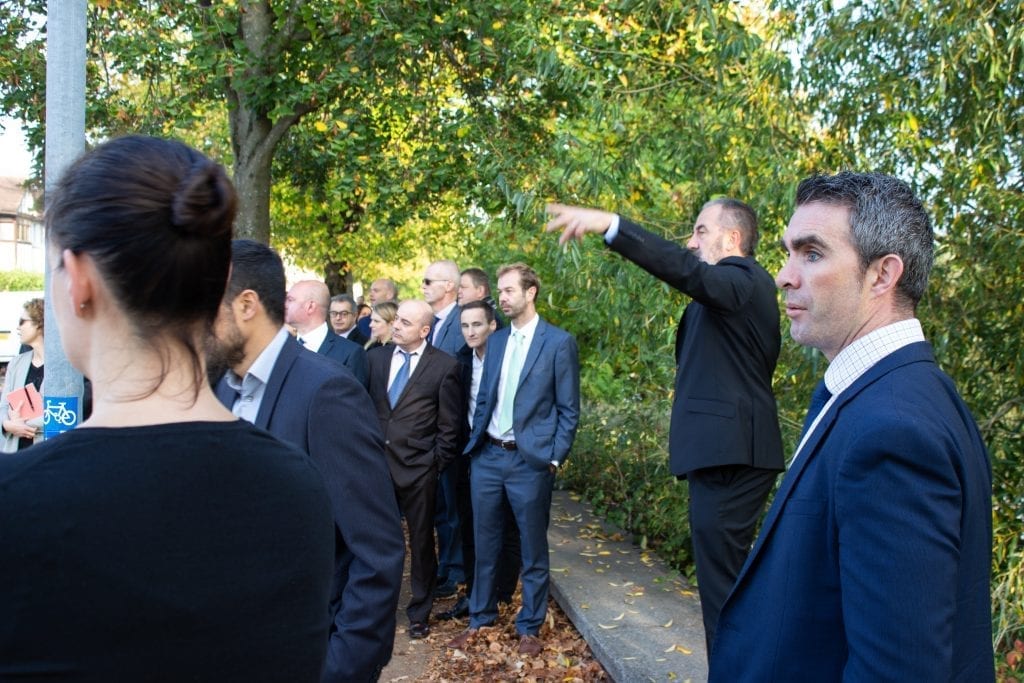
Ian Titherington, lead Drainage Engineer of Cardiff City Council and resident of Greener Grangetown himself, had a transformative vision for this ward of the city. His ambition was to use natural infrastructure to manage surface water and, most importantly, to go beyond the basic rain garden approach. This was no mere tick-box exercise. It involved extensive consultation with a diverse, multicultural community and a skilful negotiation of the wants and needs of stakeholders, including utilities, highways teams and the politicians.

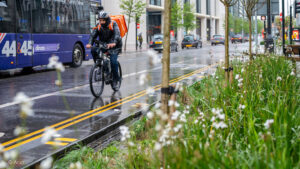
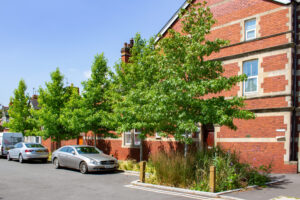
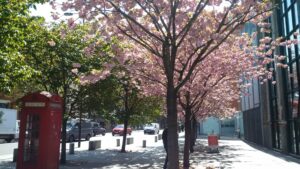
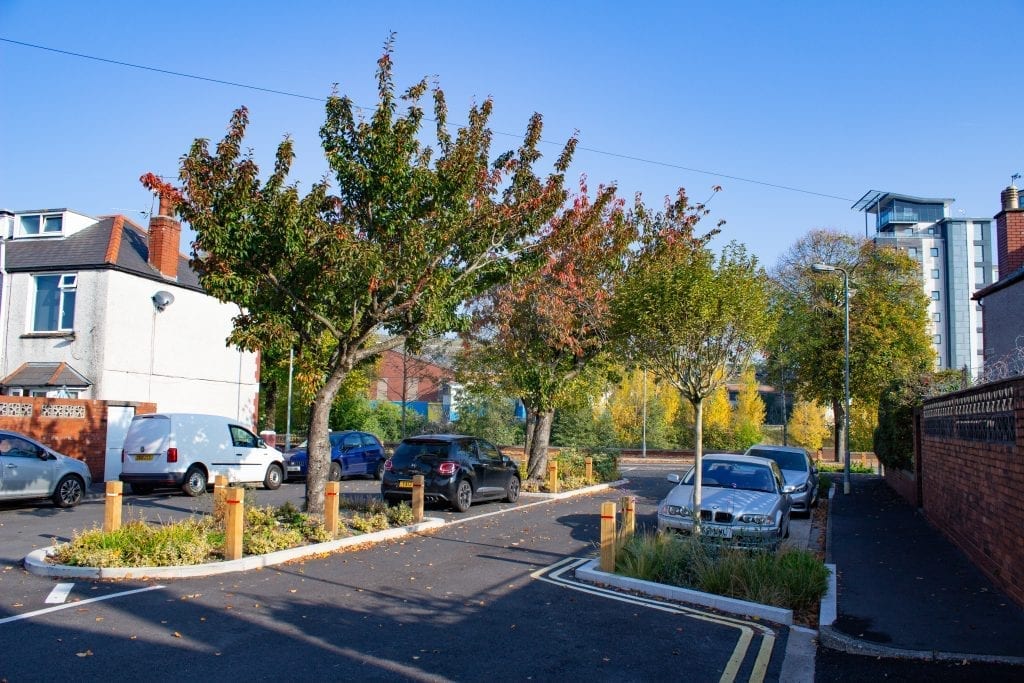
On arrival at Cardiff central station I was greeted by the man who had seen the project through from conception to implementation. As we walked along the network of streets that had been transformed by the varying sizes of rain gardens and the engineered SUDs tree pit systems which had been integrated as stand-alone build outs in some streets and linked trenches in others, one thing stood out – the community.
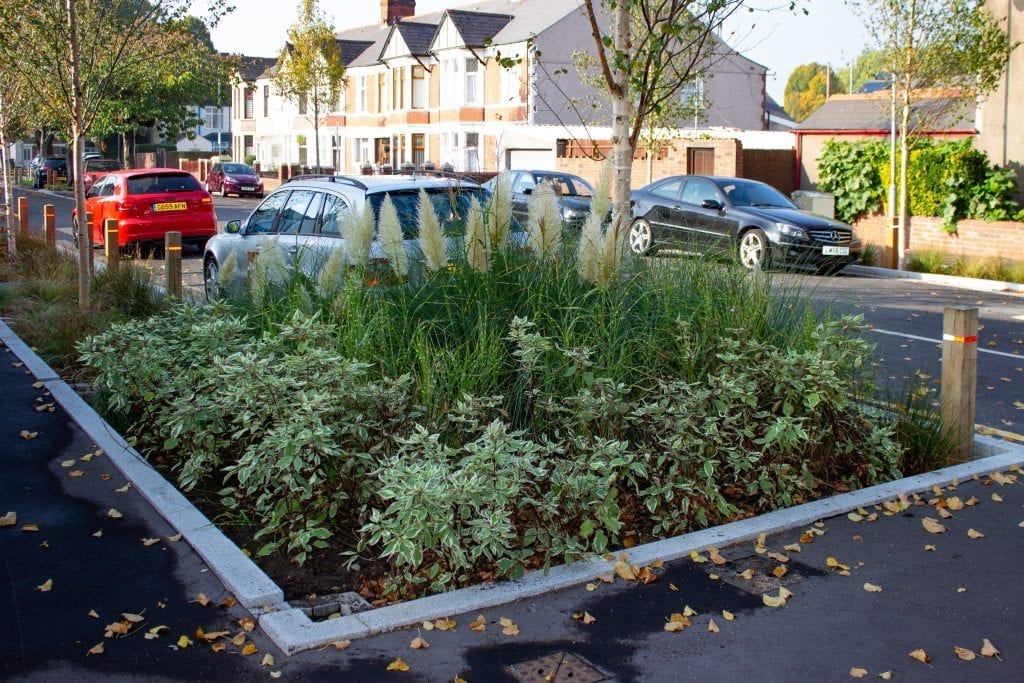
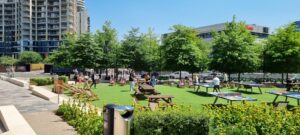
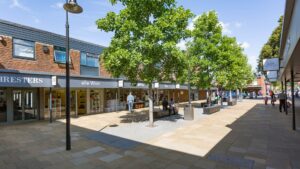
What was once a very tired looking, somewhat unloved area of the city, treated as a rat run, places with dark, unwelcoming areas where Ian told me that crime was rife, has become a place where everyone can share a space to be proud of. It is a proven fact that if we provide spaces and homes citizens can be proud of they wake up with a sense of optimism and possibility.
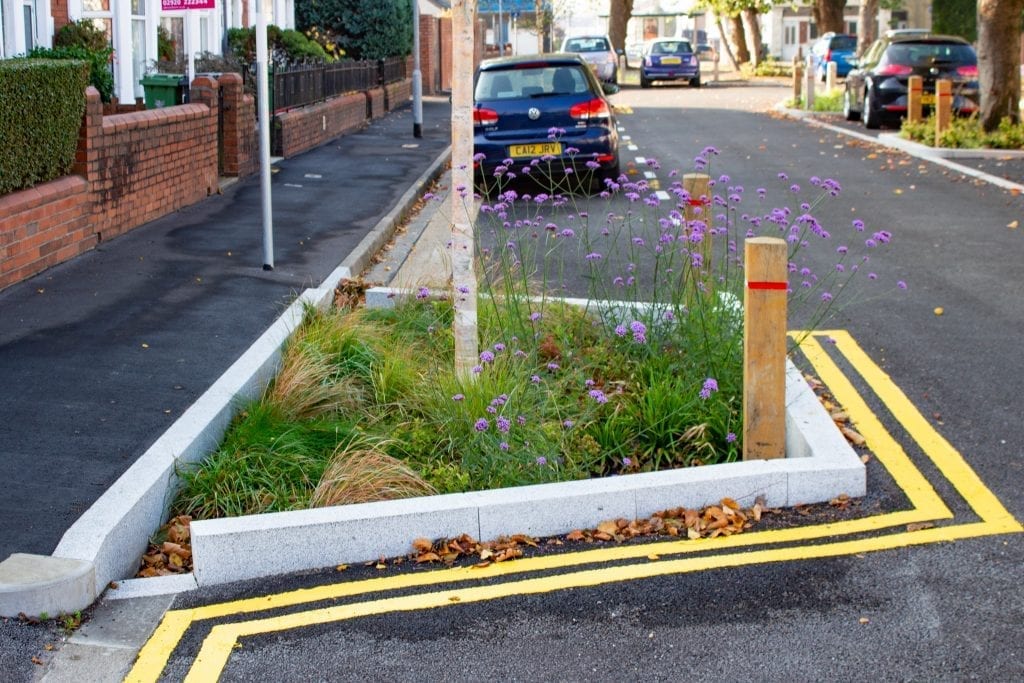
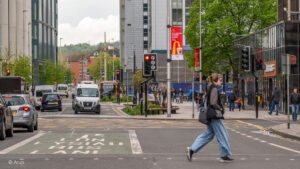
The change is manifestly clear from a walkabout of the area any day of the week at any time. Cyclists and pedestrians’ benefit, users of the community center and local mosque have aesthetic, vibrant streets to call their own. The area is no longer a commuter parking lot but a place where residents illicitly grow butternut squash in the rain gardens and police each other, to ensure that a higher standard of care is taken to keep streets better for all.
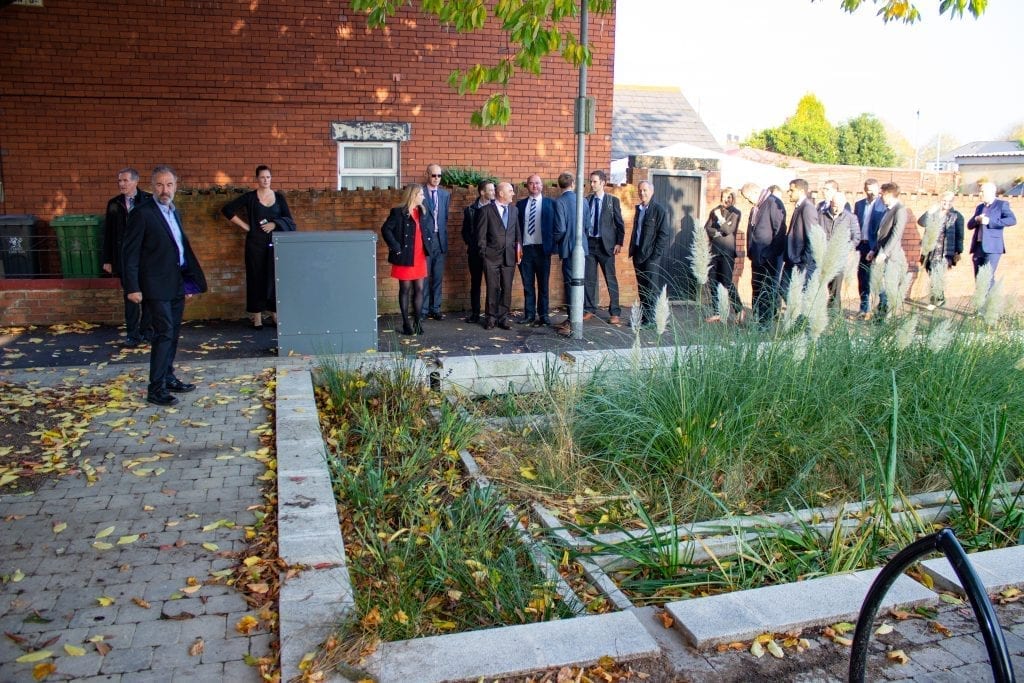
I’ve hardly mentioned the SUDs benefits, but for now, that’s just not the point. Places for people. That’s what I saw today.
Ian’s passion and drive for the retro fitting of a SuDs design at Grangetown has resulted in a scheme which has brought multiple tangible benefits to the area. The project which has been internationally recognised as:
not only aesthetically improving an area but also contributing by removing almost all of the surface water runoff from combined surface water sewer.
The design which was developed by Arup together with Dŵr Cymru Welsh Water and Natural Resources Wales and extensive consultation with the residents within Grangetown, has improved the cycle network in the area and retained an excellent line of mature trees along the Taff embankment.
 Discover more on this insightful project with our latest Podcast with Ian and Charlotte!