
Sustainable Tree Pit Solutions for a Greener Middle East
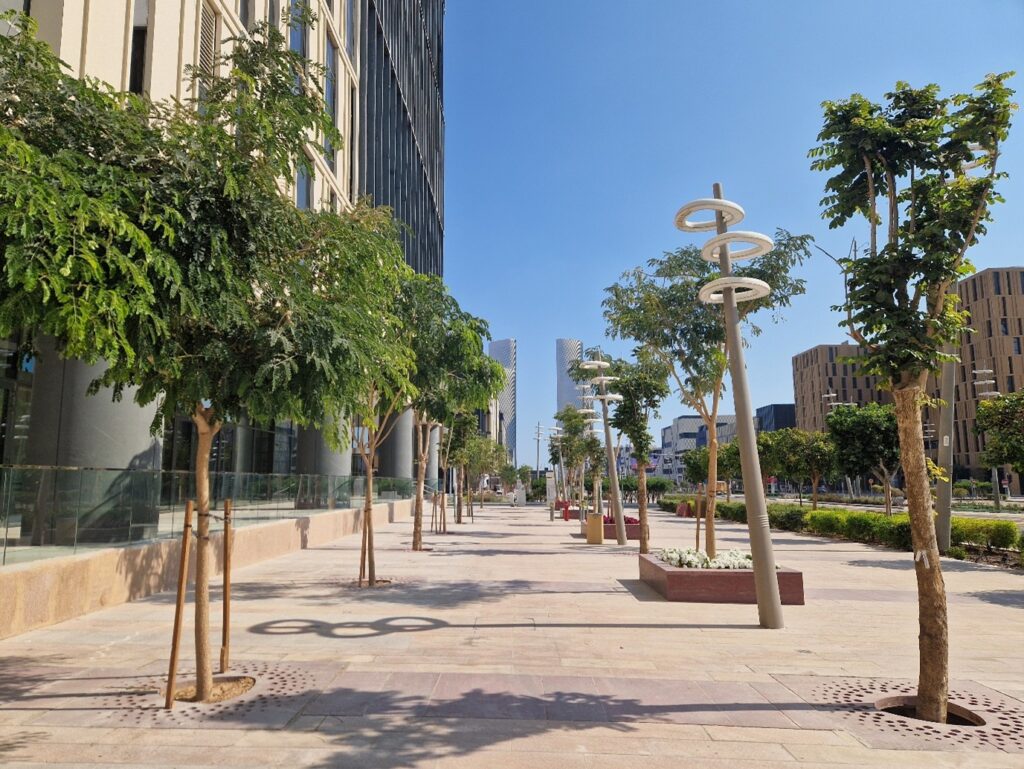
Over the past 50 years, the Middle East has experienced some of the fastest-growing urban populations globally, with growth rates consistently higher than those in China or Africa. This rapid urbanisation has transformed cities like Dubai, Riyadh and Doha into major international hubs, presenting unique challenges in sustainable urban planning. As the region continues to […]
Pioneering Green Infrastructure in Saudi Arabia
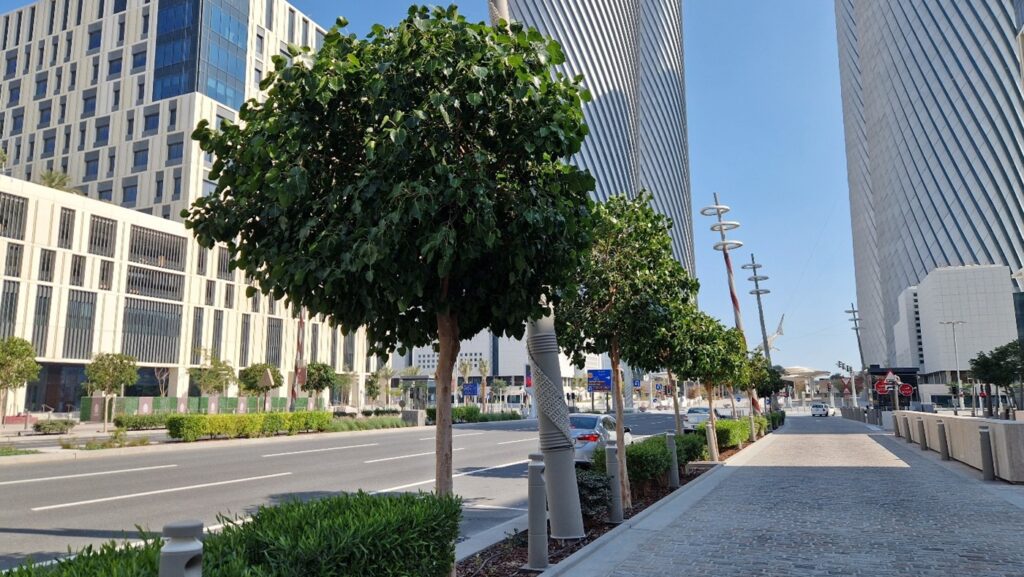
With the recent announcement that Saudi Arabia will host the 2034 FIFA World Cup for the first time, investing in green infrastructure around developments will do more than create a wow factor. New stadiums in the Middle East will be under immense pressure to impress, and green spaces will be essential given the intense heat […]
How to Design for Urban Trees that Thrive (Part 2)
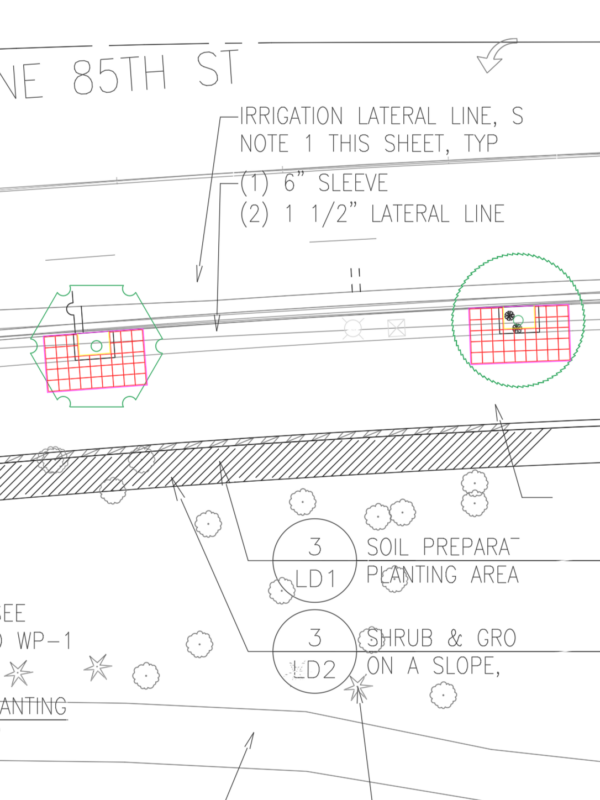
Part 2 of our three-part series on creating thriving urban forests. (Click here to read Part One) In Part One, we explored the pre-planning essentials for successful tree growth. Now, let’s discuss the practical aspects of urban tree planting, focusing on design techniques and overcoming urban constraints. We’ll look at: How to determine the needed […]
Why Green-Blue Infrastructure is a Win-Win for New Developments
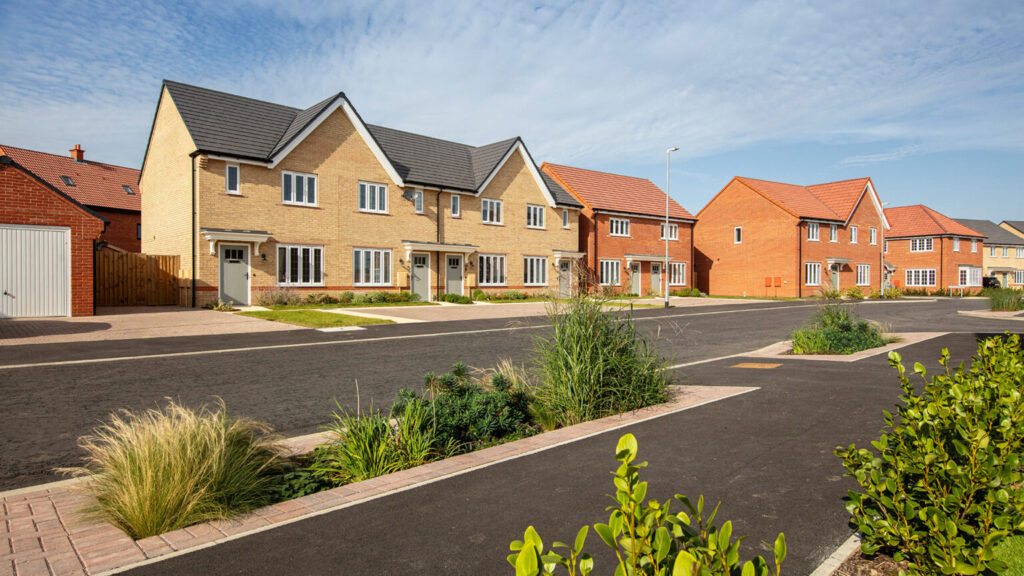
UK construction sector insiders have been paying close attention to government announcements over the past week or so – there have been quite a number of them – and preparing to ramp up as a result. From the new homes target of 1.5 million by 2029, to the New Hospital Programme, via National Planning Policy […]
How to Design for Urban Trees That Thrive (Part 1)
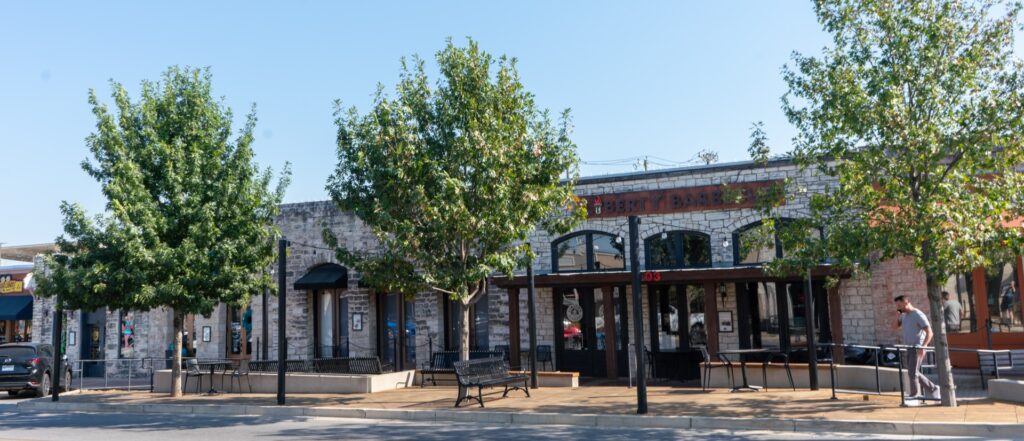
Picture this: A landscape architecture firm has been awarded the bid for the landscape design of Main Street in the prominent metropolis of Big City, USA. The city’s goal is to establish large-canopy urban trees that will line the streets for generations to come. The benefits are clear – from increased property values to cleaner […]
Smart, Scalable SuDS: Strength in Numbers
Climate change and urbanisation are pushing our drainage networks to the edge of their capabilities – and beyond. A combination of a preference for impermeable surfaces, population growth and more intense rainfall events (owing to climate change) has left our sewer networks struggling to cope. The result? More frequent surface water flooding, overwhelmed wastewater treatment […]
Are Sponge Cities the Future of Urban Resilience?
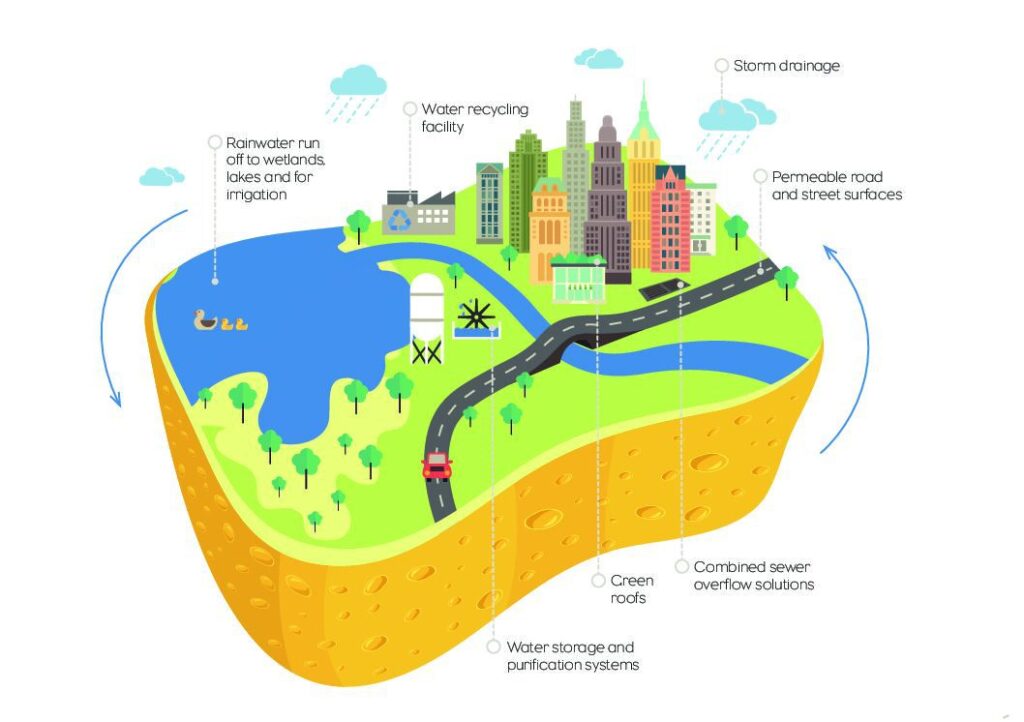
The concept of the sponge city has emerged as a sustainable way to tackle the mounting challenges of climate change, including the mitigation of urban flooding and offsetting the increasing difficulty of living in urban areas. By enabling the flow of natural water cycles through the use of sustainable drainage solutions (SuDS) installed on a […]
2025: The Year of Green-Blue Innovation
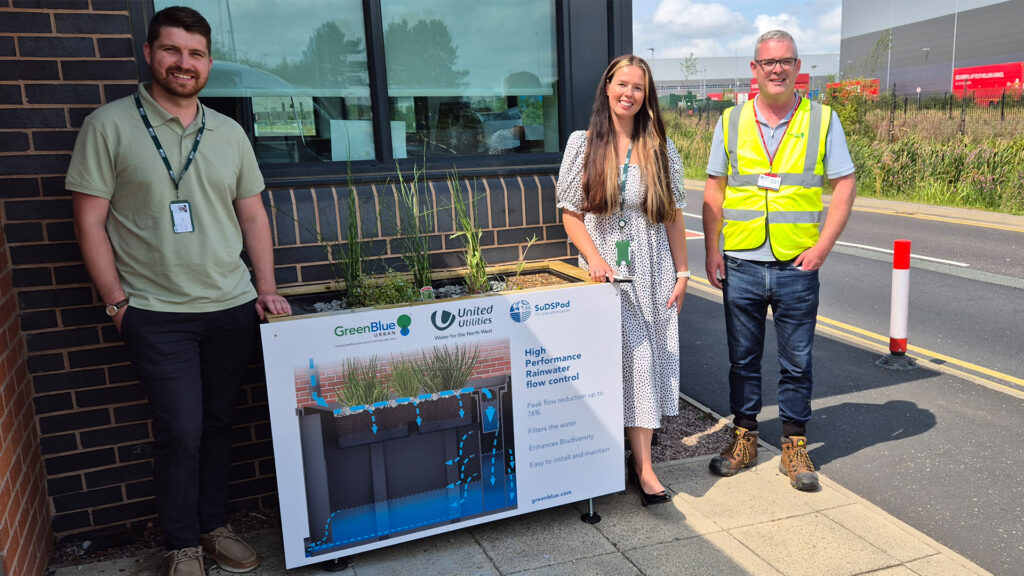
Last year, 2024, was meant to be a threshold moment for sustainable drainage systems (SuDS), with the long-awaited implementation of Schedule 3 of the Flood and Water Management Act 2010 in England poised to transform how new developments manage surface water. The year began with optimism, fuelled by rising awareness of (and urgency around) climate […]
Research Data Proves ArborFlow Tree Pit Efficacy
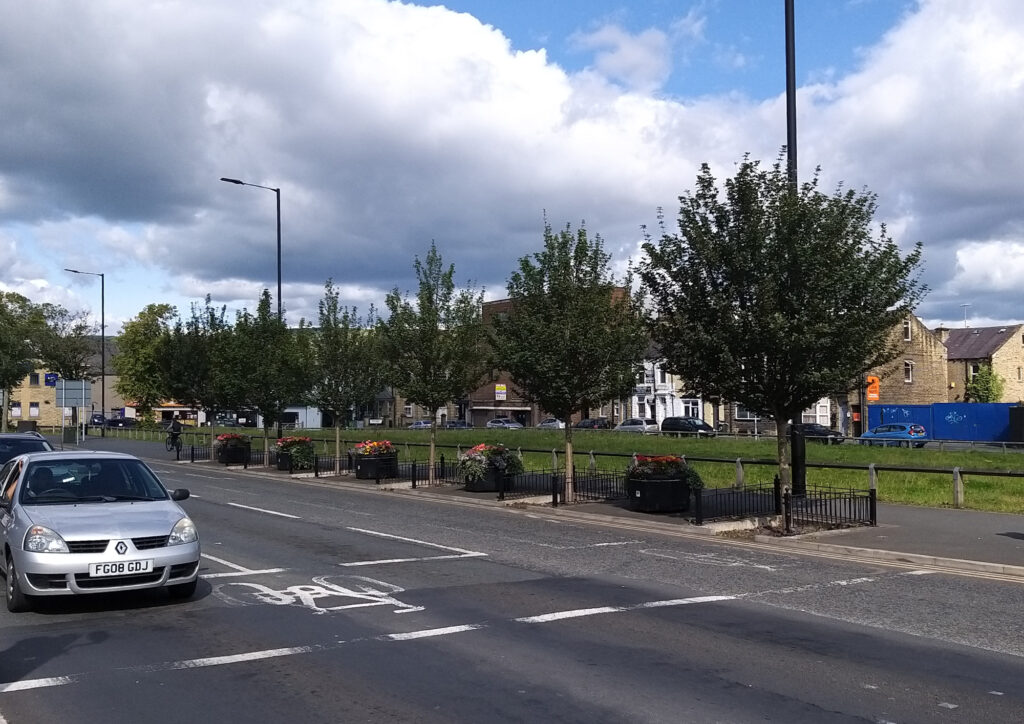
There’s a strong case for including trees in urban streetscapes, thanks to a wide variety of community wellbeing advantages, from providing shade to pollution reduction. In addition, attenuation and water treatment benefits can be maximised by using tree pits to improve tree health, within a SuDS. But is it really worth specifying tree pits? Our […]
COP29: The Critical Role of Water Management in Climate Resilience
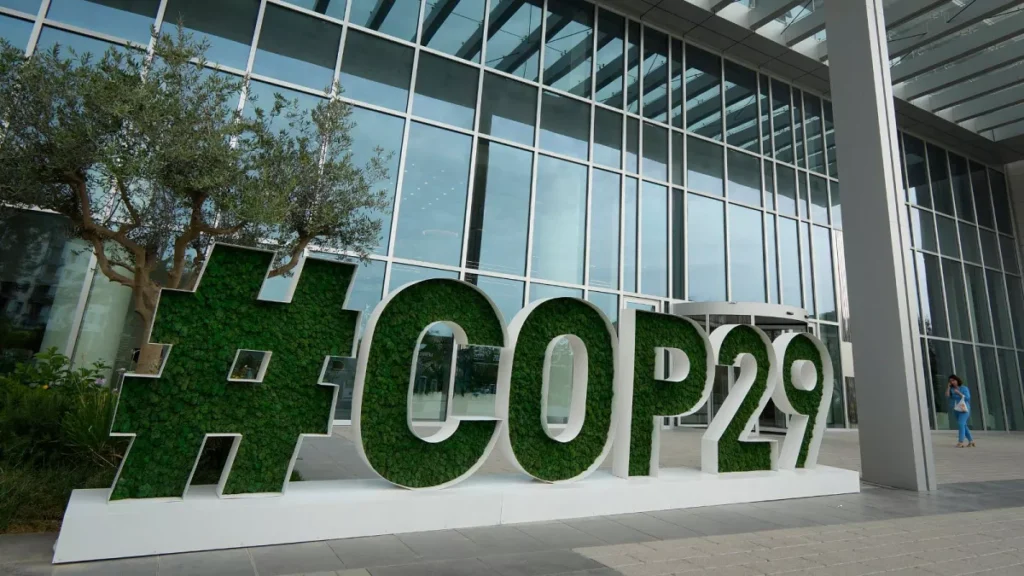
The COP29 Declaration on Water for Climate Action, signed by 57 countries at the recent UN Climate Summit in Baku, highlights the essential role of water management in tackling climate change. As SuDS specialists, we’re encouraged by its strong alignment with the principles of Sustainable Drainage Systems. Here’s how we feel the Declaration’s key themes […]