Over the last decade, the activities of numerous charities and public sector organisations have helped to put the creation of sustainable urban forests firmly on the agenda for politicians, policy makers, planners and landscape design professionals.
We are most likely aware of the overwhelming amount of scientific research and evidence into the numerous benefits and advantages that trees can bring to the urban environment, in terms of both their social and environmental impact. However, this doesn’t answer the question of how urban trees ensure a sustainable impact.
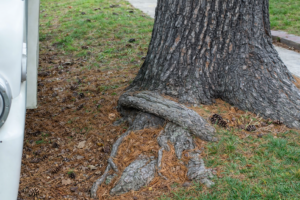
Policy makers are prepared to prioritise investment in our urban forests in spite of an uncertain economic climate, which is excellent news for environmentalists and town/city dwellers alike. In order for the benefits of these initiatives to be fully realised it is vital that the trees which are planted have the best possible chance of survival. This means care must be taken to ensure that they are planted in conditions that allow them to establish and thrive, rather than being starved of nutrients and growing space, particularly rooting volume, because of hostile urban environments.
The environmental conditions found in urban spaces can often be a barrier to their successful establishment and long term survival. In order to provide urban trees with the best opportunity to survive and thrive, it is essential to consider the conditions of soil, climate and water availability when they are planted in towns and cities. The correct design and installation of tree planting pits will mitigate the negative effects of the urban environment. Some of the key factors for consideration are:
- Root volume availability
- Root management
- Irrigation, Drainage and Aeration
- Support
- Protection
By creating a tree pit design that successfully accounts for the issues above you will have attended to over 90% of the reasons for urban tree failure.