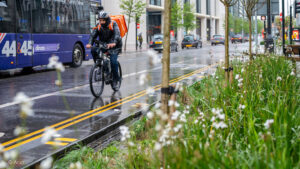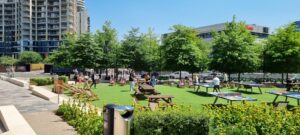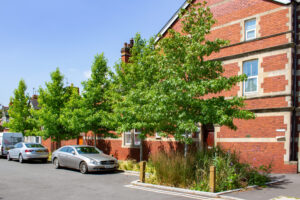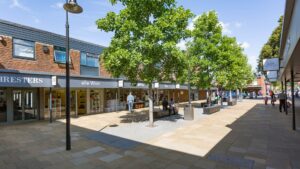
Urban developments have historically spent countless millions on fighting a problem that doesn’t really need to be a problem at all…. stormwater. In fact, that water is not a problem at all if it is utilized well! Instead of eliminating it, GreenBlue Urban has developed systems to utilize stormwater for the benefit of the urban environment. In fact, stormwater is an essential commodity in the health of urban green space.
In traditional urban landscapes (“gray infrastructure”), stormwater has always been a problematic obstacle because the objective in this type of development is to direct stormwater away from buildings in order to prevent flooding and damage. The ultimate intention in green infrastructure, however, is to manage stormwater, working with nature, not against it! Using various techniques, the developer captures the rainwater like it is gold, redirecting it and implementing techniques that work to develop a natural living space within those buildings and through the surrounding environment. GreenBlue customers know that the key to effective water management in an urban setting is Low Impact Development (LID).
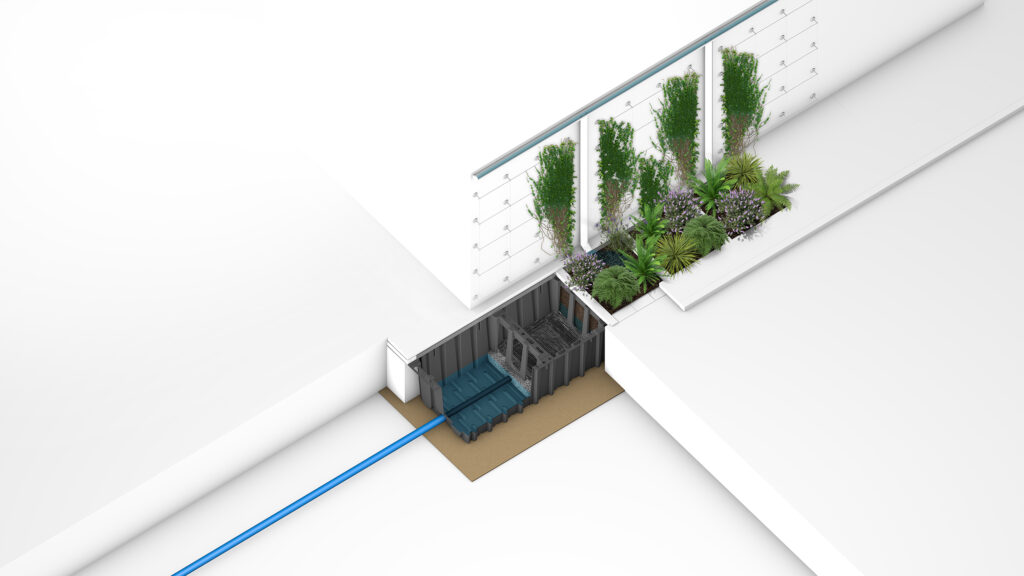
Using innovations like the Hydroplanter, GreenBlue effectively harvests urban rainwater in order to create, preserve, and restore green space. A cost-effective solution to controlling stormwater, the HydroPlanter is easy to move and install. It works to contain and clean the water and is produced completely from recycled material.
Implementing Permeable Pavement or Green Pavement are other options that GreenBlue encourages developers to explore. There are pros and cons as well as some upfront expenses to consider with any urban landscape solution, but there IS a great solution for every customer! How about rain gardens, vegetated rooftops, rain barrels? There are dozens of ways that green environments can closely mimic the regular preservation, and evapotranspiration that occurs in the healthiest of ecological settings; GreenBlue helps customers explore the pros and cons of them all.
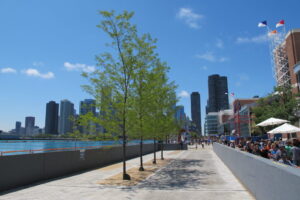
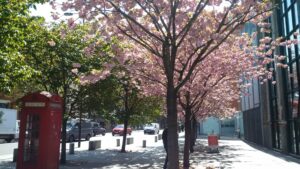
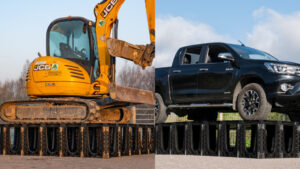
Of course, meticulous planting of trees and other vegetation is key in managing stormwater in an urban design. Trees, after all, are the best stormwater reservoir ever created, and the GreenBlue Urban ArborFlow stormwater management tree pit system was developed specifically to bring measurable and sustainable stormwater management benefits, while promoting tree health. ArborFlow allows water to be discharged into surrounding subsoil, to be absorbed by the trees’ root systems, or to find its ways into the specially designed flow-control chamber positioned on the outfall of the tree pit.
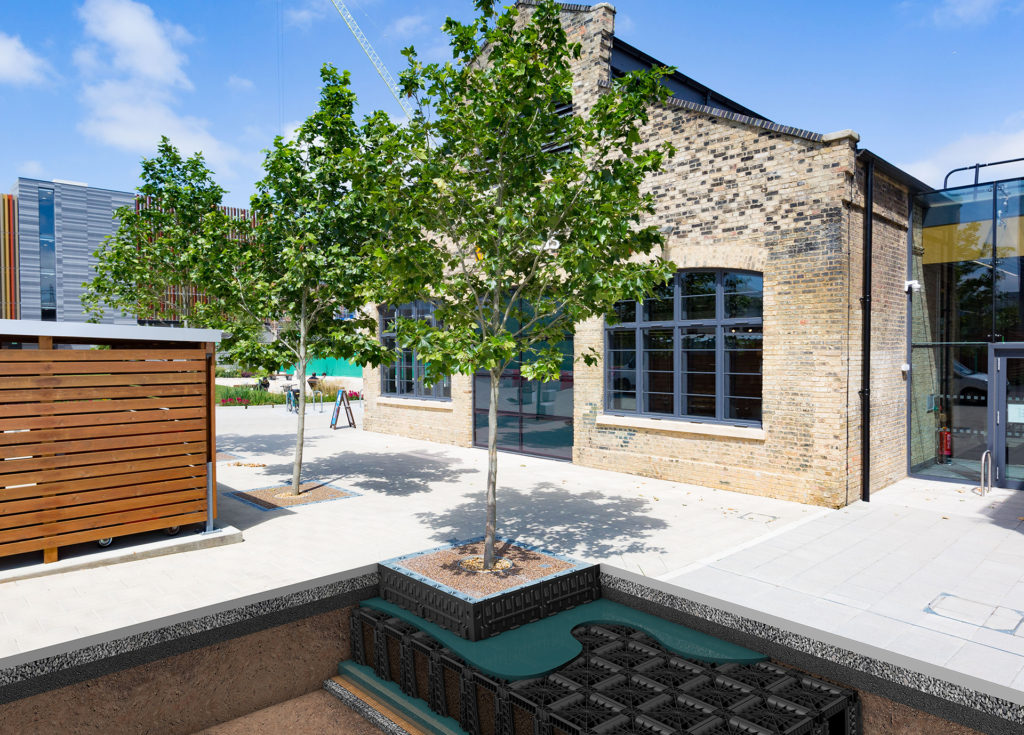
Let stormwater be an asset rather than a challenge in the transformation of your urban landscape Low Impact Development is bringing beauty and sustainability to cityscapes worldwide.