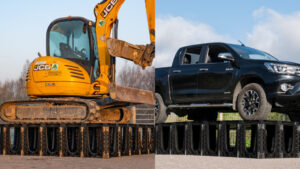
70% of European citizens live in cities, a number that is expected to increase to 80 % by 2050. A total of 36 million new urban citizens will need housing, employment, and healthcare. This unsustainable rate of urbanisation is endangering biodiversity, natural ecosystems, as well as human health and social cohesion.
Urban regeneration is a response to the opportunities and challenges posed by urban degradation at specific times in specific locations.
Basically, urban regeneration is a comprehensive approach trying to bring solutions for society, the environment, and the economy.
So What?
With a worldwide focus on becoming Net Zero by 2050 (reducing our emissions by 50% to reach a pre-industrial temperature rise of 1.5 C) the focus is very much on sustainability – reducing embedded carbon, be it the operation of buildings, manufacturing process, travel, food consumption etc – GreenBlue Urban have fully committed the same. However, is this enough?
It is without question we are seeing the environmental impacts NOW – hotter drier summers, wildfires, changing temperatures causing increased rainfall, severe flooding, landslides, and loss of homes and life.
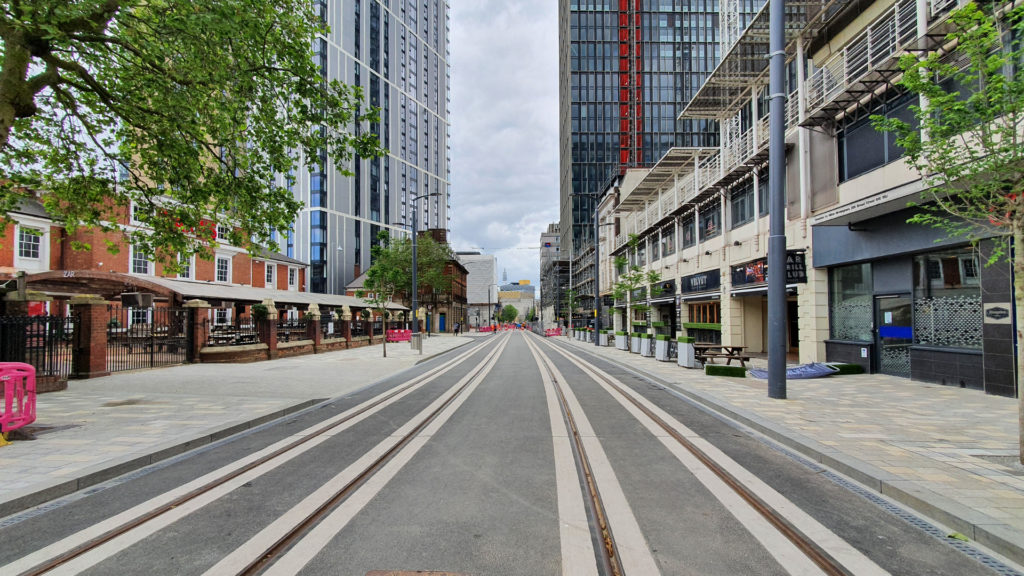
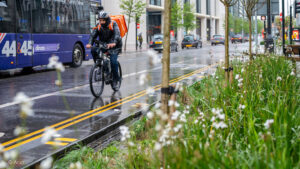
Green infrastructure – (Often referred to as Blue-Green Infrastructure BGI) combines grey infrastructure with nature-based solutions to create and improve resilience to the impacts of climate change, while also, often resulting in environmental, economic, and social co-benefits.
So increased BGI is a no-brainer, right?
You would think so, however, there is still an underlying perception that it is a costly exercise with very little return on investment. The good guys do work together incorporating policy to implement designs into early plans. However, the intended concept does not always meet implementation. Cost-cutting or “value-engineering” is still an issue, old school grey infrastructure is perceived as; easier to maintain, and less disruptive on space or utilities. Particularly when relating to SuDS.
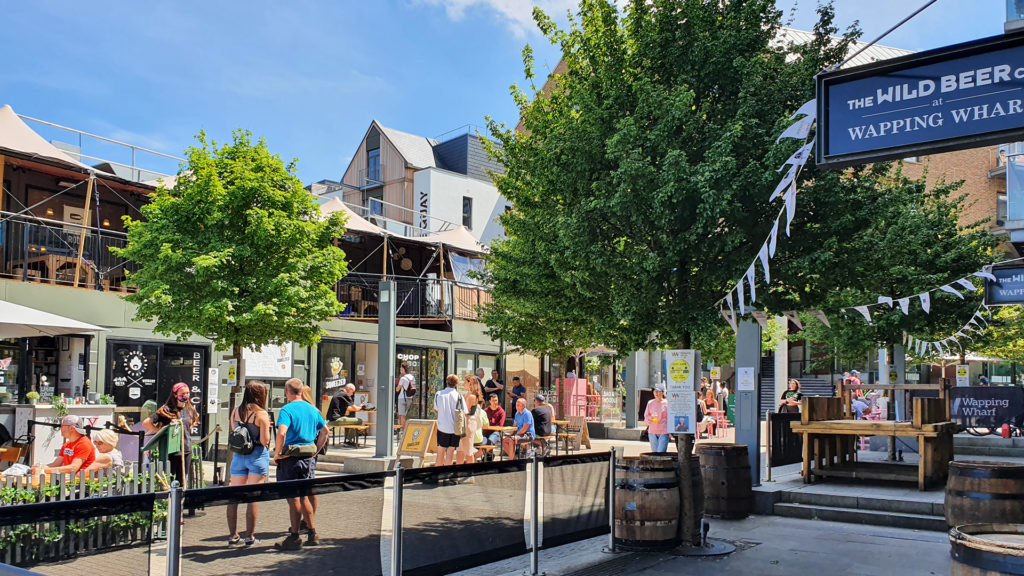
However, when designed correctly BGI can help with mitigating carbon, when implemented alongside nature-based solutions, designed to offer cost-effective natural processes to urban and non-urban environments. The idea is that working with nature, rather than against it, can lead to a more resource-efficient, greener, and healthier environment.
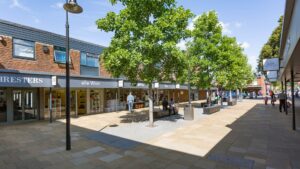
Thankfully, many Local authorities across the country are working on plans to regenerate town and city centres, create vibrant places, which support economic growth, and focus on tackling the climate emergency.
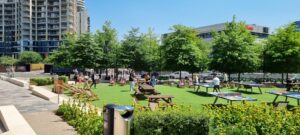
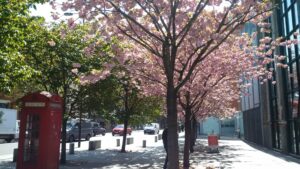
Our recent case Study in St Giles Square, London highlighted the collaboration between LB Islington, MICA Architects, Danusia Lewis and VolkerWessels that saw the transformation of a busy bus route, reimagined into a pedestrian area with places to relax and eat. Planting large specimen trees alongside seating provides the extended canopy needed for our current hot drier summer and wetter winters.
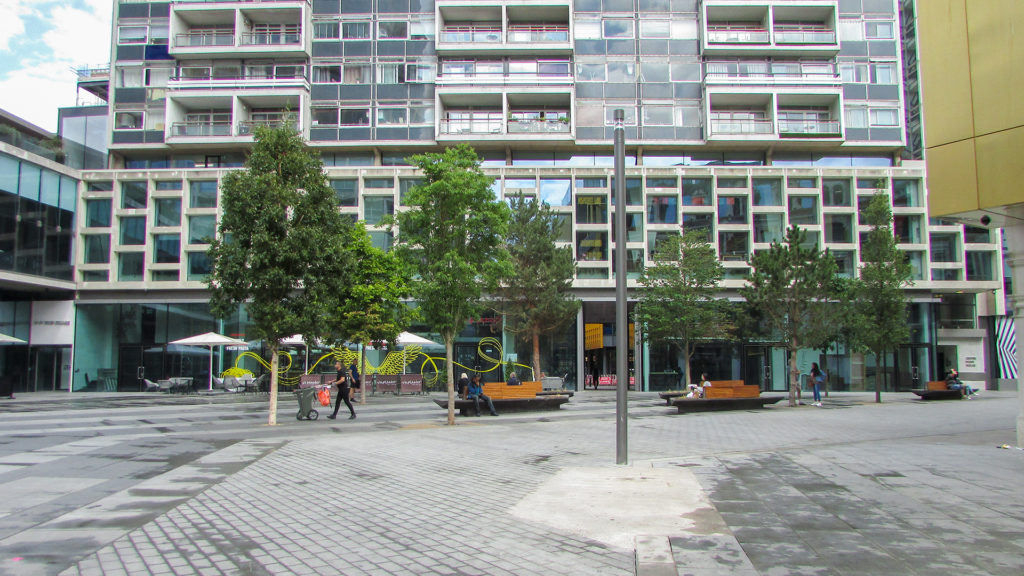
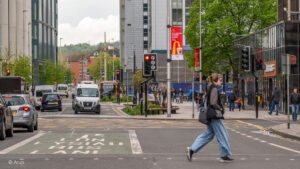
Broad Street Birmingham was an ambitious scheme, installing 13 street trees in the full ArborSystem solution, a heavily trafficked and constrained with utilities, thankfully using RootSpace, the installation issues were simply overcome.
By using nature-based BGI solutions, we can deliver better-quality places for people and nature.
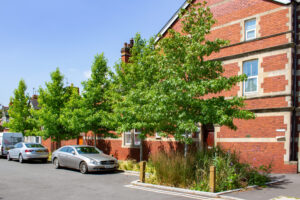
Tree Pits, Green Walls, Rain Gardens and SuDS solutions all contribute to tackling the climate emergency. If designed correctly work seamlessly as multifunctional solutions.
The opportunity is now – we are the Regeneration Generation!