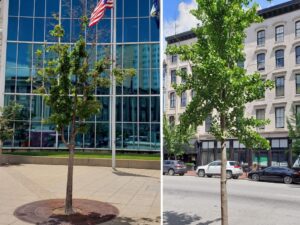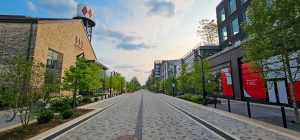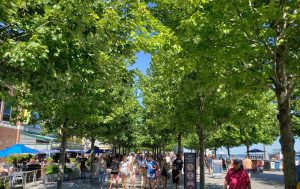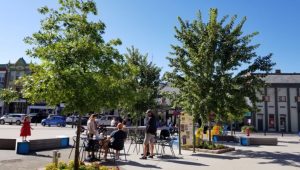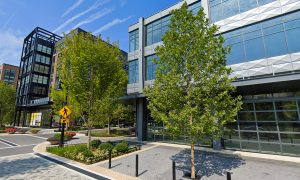
Summer is when many of us experience the difference healthy urban trees make. A tree-lined street is more comfortable than one surrounded by pavement and concrete.
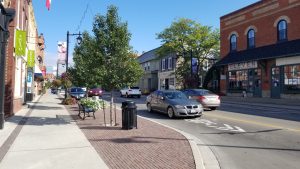
If you’ve walked through a downtown street on a hot summer afternoon, you’ve likely experienced the difference. Pavement radiates heat, shaded sidewalks become a welcome refuge, and temperatures in urban areas can feel noticeably warmer than nearby parks or rural landscapes. This phenomenon, known as the urban heat island effect, is becoming increasingly common as cities grow and our climate changes.
One of the most visible effects of climate change in our cities is rising urban temperatures. According to the World Health Organization, urban populations can experience temperatures 5–9°F higher than surrounding rural areas, with even larger differences in some locations.
The impacts are well-documented. Pavement and buildings absorb solar energy during the day and release it after dark, keeping cities warmer well into the evening. Vulnerable populations face serious health risks. Energy demand spikes. Air quality deteriorates. Public spaces become unusable during the hours people most need them.
Cities Are Facing Two Problems at Once
But heat is only half of the picture.
Cities are also dealing with the frequency and intensity of extreme rainfall events. Many North American cities are already managing aging combined sewer systems at capacity. When a two-inch rain event overwhelms infrastructure designed for a different climate, the result is basement flooding, combined sewer overflows, and damage that falls disproportionately on lower-income neighborhoods.
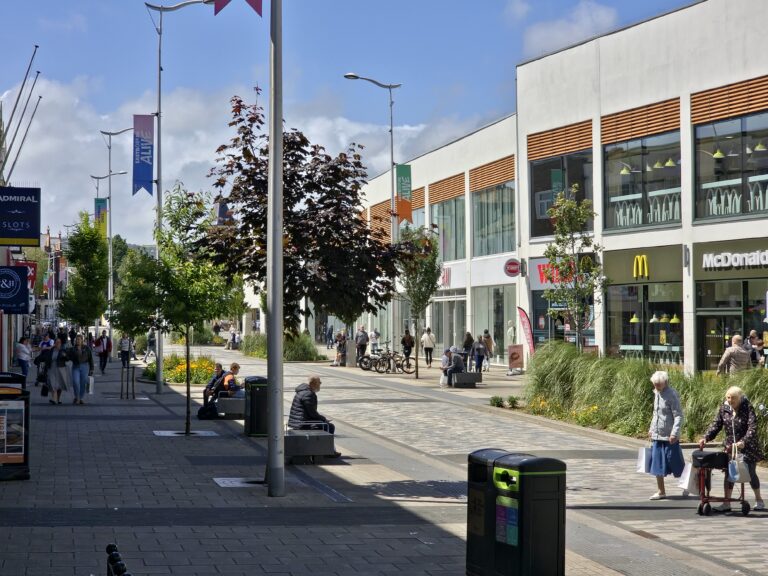
How can cities address both challenges?
Urban trees are one of the most effective tools available for cooling cities, managing stormwater, improving public health, and creating more resilient communities.
Planning cities and towns with trees as an integral part of the urban landscape can make a significant difference to how comfortable and resilient our streets become during periods of extreme heat.
Trees cool the air through shade and evapotranspiration while intercepting solar radiation and reducing surrounding surface temperatures. In heavily paved environments, this natural cooling becomes increasingly valuable during periods of extreme heat.
Urban greening also supports biodiversity, improves air quality, and contributes to healthier, more attractive places for people to spend time.
Cities are Investing Accordingly
Communities across North America are recognizing that urban trees are no longer simply an amenity—they are essential infrastructure.
Cities including Toronto, New York, Vancouver, Minneapolis, and many others have adopted ambitious urban canopy goals as part of broader climate resilience strategies. These initiatives recognize that healthy urban forests are one of the most effective investments cities can make to improve climate resilience while delivering environmental, economic, and social benefits.
The conversation has shifted from whether cities should invest in trees to how they can create urban canopy that survives long enough to make a measurable difference.
Healthy Urban Canopy Delivers More Than Shade
The value of urban trees extends far beyond aesthetics. As trees mature, they become one of the hardest-working assets in the urban environment, supporting multiple municipal objectives simultaneously.
Cooling Our Cities
Tree canopy reduces temperatures by providing shade and cooling the surrounding air through evapotranspiration. This helps improve pedestrian comfort, reduce heat stress, and lower energy demand during periods of extreme heat. For communities experiencing increasingly frequent heat waves, mature urban trees are one of the most effective natural cooling strategies available.
Managing Stormwater
Urban trees intercept rainfall before it reaches the ground, reducing runoff and easing pressure on stormwater infrastructure. When integrated into broader green infrastructure strategies, healthy urban canopy can help improve water quality, reduce localized flooding, and increase resilience during more intense rainfall events.
Improving Public Health
Greener streets and public spaces encourage walking, outdoor recreation, and community activity while improving air quality and reducing exposure to extreme heat. Numerous studies have linked urban trees with improved physical and mental well-being, making them an important investment in healthier communities.
Supporting More Equitable Communities
Neighborhoods with lower tree canopy are often the same communities that experience the highest summer temperatures and the fewest accessible green spaces. Expanding healthy urban canopy helps improve environmental equity by creating cooler, healthier, and more comfortable public spaces for everyone.
Unlike many forms of infrastructure, healthy urban canopy delivers multiple benefits simultaneously. A single mature tree can help cool streets, intercept rainfall, improve air quality, support biodiversity, and create more comfortable public spaces. Few public investments provide such a broad range of long-term environmental, social, and economic value.
Looking Beyond Planting Numbers
Urban canopy goals are an important step forward, but success shouldn’t be measured solely by the number of trees planted each year.
A newly planted tree provides relatively little immediate environmental benefit. The greatest return on investment comes years later, when that tree has matured into healthy canopy capable of providing meaningful shade, intercepting stormwater, improving air quality, and supporting biodiversity.
In other words, climate resilience depends on tree survival just as much as tree planting.
That means looking beyond annual planting numbers and creating the conditions that allow trees to reach maturity and deliver meaningful canopy.
Looking Ahead
Preparing cities for a hotter future starts with healthy urban canopy. Every mature tree represents decades of environmental, social, and economic value. Preparing cities for a hotter future isn’t simply about planting more trees—it’s about creating healthy urban canopy that can thrive for generations.
But one important question remains:
What determines whether an urban tree survives long enough to deliver those benefits?
In our next article, we’ll explore one of the most overlooked aspects of urban tree success—the below-ground environment—and why designing the right rooting conditions is essential to achieving long-term urban canopy.