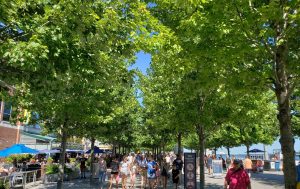
Universities invest significant resources in academic buildings, residence halls, athletic facilities, and other spaces that support student life, but the outdoor environment connecting these destinations is also an important part of how students experience a campus.
Tree-lined walkways between academic buildings, shaded courtyards where friends gather between classes, and open green spaces where students study or relax all contribute to campus life. These environments influence how students move between buildings, where they choose to spend time, and how connected they feel to their surroundings.
Beyond their everyday function, campus landscapes can also contribute to student well-being. A 2024 review published in Urban Forestry & Urban Greening examined 54 studies exploring the relationship between university landscapes and student mental health. More than 96% of the studies reported a positive association, highlighting the potential value of these environments beyond their physical design.
For campus planners, landscape architects, and facilities teams, these findings reinforce the importance of considering student well-being alongside accessibility, functionality, and aesthetics throughout the design process.
Designing the Spaces Between Buildings
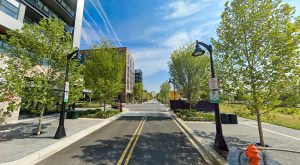
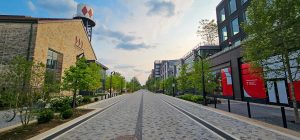
A successful campus landscape is more than a collection of trees, benches, walkways, and planting areas. How these elements are arranged and integrated with surrounding buildings helps establish the character of a campus and shapes how people experience it.
A tree planted along a walkway may provide shade, but when trees are thoughtfully positioned alongside seating, pedestrian routes, and gathering areas, they can help create welcoming spaces that encourage interaction. Similarly, paving materials, tree grates, planters, and site furnishings can reinforce the architectural character of a campus and create visual continuity between different outdoor spaces.
The challenge is balancing this overall vision with the practical requirements of accessibility, pedestrian circulation, maintenance, and daily campus activity. Considering these needs as part of a coordinated design helps create outdoor environments that feel intentional rather than assembled from individual features.
Planning for a Campus That Evolves
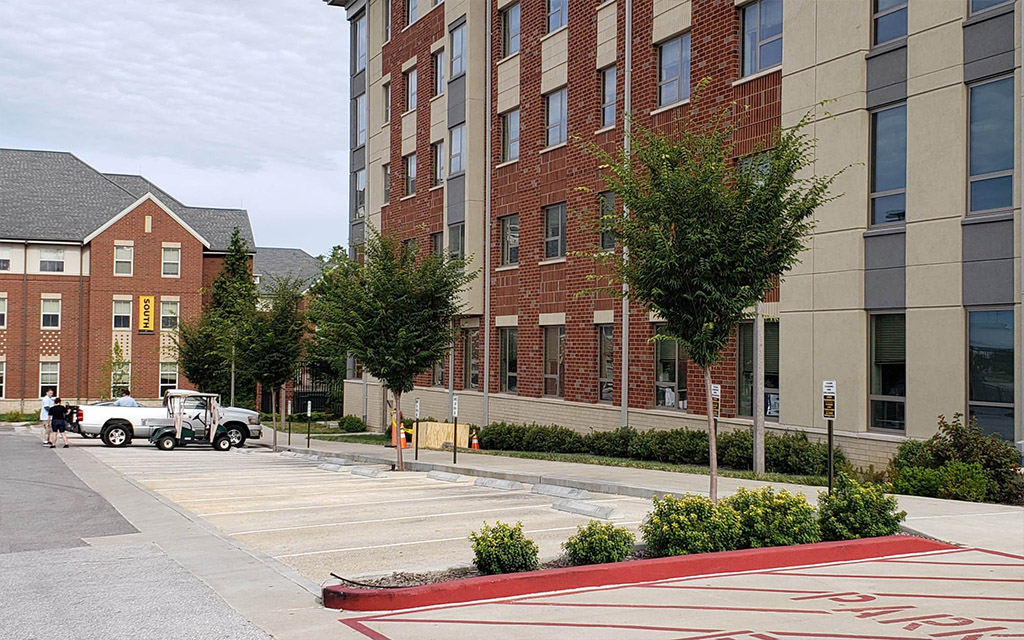
A campus landscape may look complete when construction ends, but its development is only beginning. Trees will grow, pedestrian patterns may change, and future campus improvements will place new demands on the surrounding infrastructure.
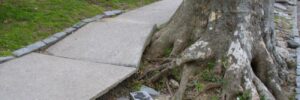
A tree that fits comfortably within a newly constructed plaza may eventually outgrow its available soil volume, while expanding roots can create conflicts with pavement and underground utilities. Without adequate planning, the very elements intended to enhance the campus can become sources of maintenance challenges or costly replacement.
Protecting the long-term vision requires collaboration between landscape architects, engineers, campus planners, and facilities teams from the earliest stages of a project. Decisions about tree placement, growing space, drainage, utilities, and pedestrian circulation must be considered together so the landscape can mature without compromising the function of the surrounding environment.
The Long-Term Value of Campus Trees
Trees contribute far more to campus environments than visual appeal. As they mature, they provide shade, help moderate temperatures, manage rainfall, and create more comfortable outdoor spaces for students, faculty, and visitors.
Shade and Comfort
On campuses with extensive paved walkways, courtyards, and plazas, trees provide natural shade that can make outdoor spaces more comfortable during warmer months. Tree canopies reduce direct sunlight on people and paved surfaces, while evapotranspiration helps cool the surrounding environment.
These benefits can make a noticeable difference in how outdoor spaces are used. A shaded walkway can make traveling between classes more comfortable, while a courtyard with mature trees can become a popular place to study, eat lunch, or spend time with friends.
Stormwater Management
Campus landscapes also provide opportunities to manage stormwater more effectively. Trees intercept rainfall through their canopies, while healthy soil and root systems can help absorb, store, and infiltrate water.
When integrated with appropriately designed stormwater infrastructure, tree planting areas can help manage runoff from surrounding walkways, plazas, and other paved surfaces. For universities, this creates opportunities to incorporate stormwater management into everyday campus landscapes rather than treating drainage and green space as separate design requirements.
Campus trees also contribute to improved air quality, carbon storage, and biodiversity by providing habitat for birds, pollinators, and other wildlife.
Creating the Right Conditions for Trees to Thrive
Realizing the full benefits of campus trees requires more than thoughtful placement and species selection. The conditions beneath the surface play an equally important role in how well trees establish and perform over time.
In urban campus environments, trees are often surrounded by pavement, buildings, and underground utilities that limit the space available for root development. Compacted soil, inadequate growing space, and limited access to water and oxygen can prevent trees from reaching their full potential.
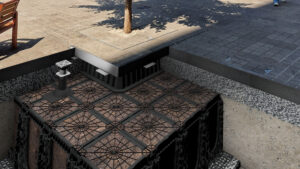
Soil cell systems help address these challenges by separating the structural requirements of paved surfaces from the growing environment beneath them. The load-bearing structure supports pedestrian and vehicular activity above ground while protecting uncompacted soil below, allowing roots to grow beneath walkways, courtyards, and plazas without sacrificing valuable surface space.
Their modular design also allows systems to be configured around underground utilities and integrated with irrigation, aeration, and root management solutions to support healthy root development and reduce potential conflicts with surrounding infrastructure.
Addressing these considerations early in the design process helps universities protect their investment in campus landscapes while supporting the long-term health and performance of their trees.
Project Spotlight: Pace University, New York City
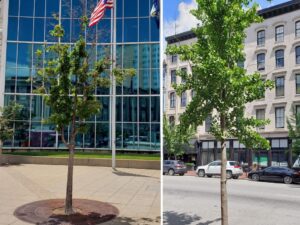
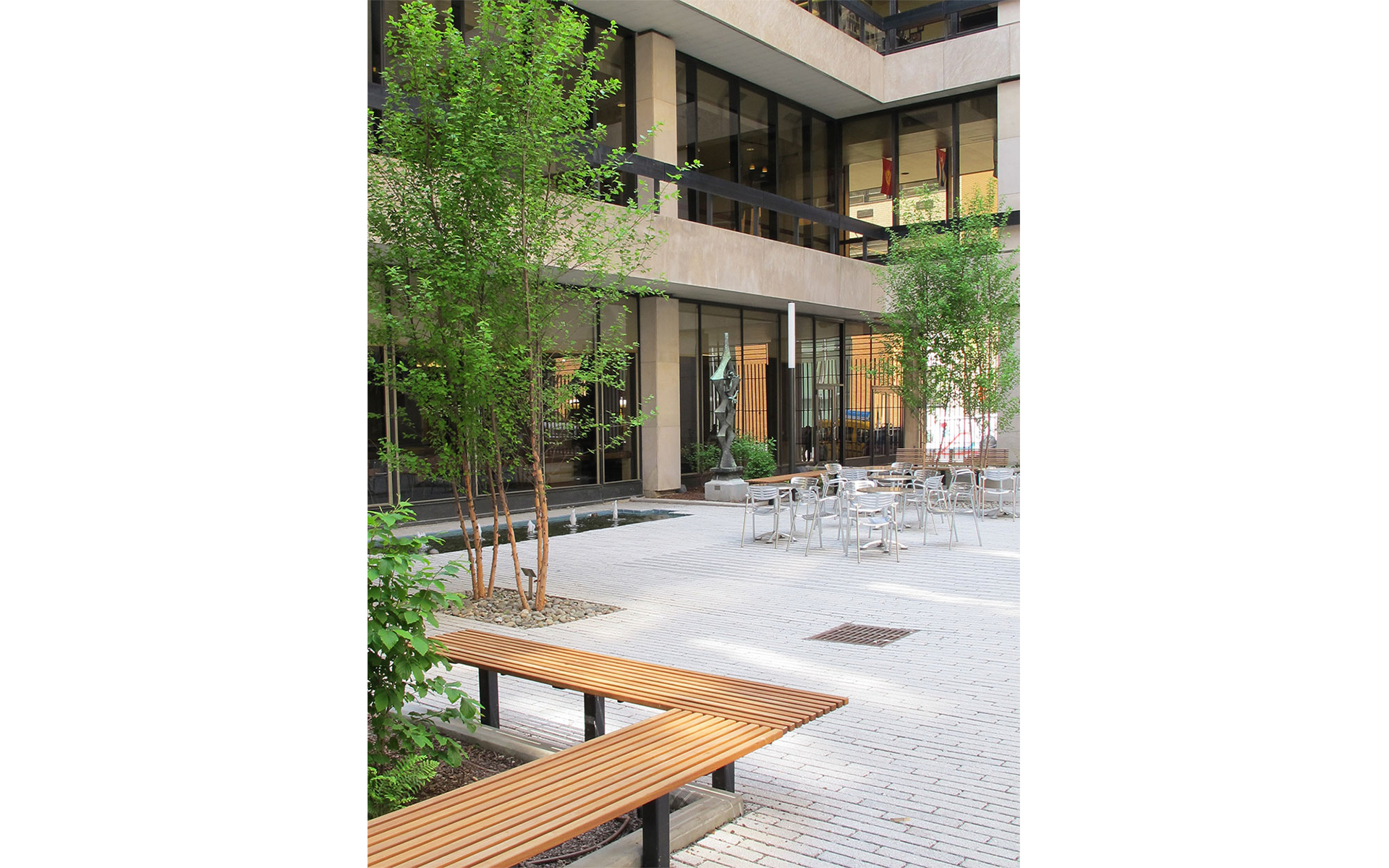
At Pace University’s One Pace Plaza in New York City, a courtyard renovation designed by AECOM transformed the outdoor space into a more welcoming and flexible gathering area for students. The project brought together new planting, paving, seating, lighting, and other landscape features to create an environment that supports everyday campus life.
Incorporating trees into the paved courtyard presented an important design consideration: providing sufficient growing space for healthy root development while maintaining the functionality of the surrounding hardscape.
GreenBlue Urban’s soil cell system was incorporated beneath the courtyard paving to provide the growing space needed for tree roots while maintaining the design and functionality of the surrounding plaza. This allowed the project team to integrate trees alongside seating, walkways, and gathering areas within the renovated courtyard.
The project demonstrates how thoughtful planning below ground can support inviting, functional landscapes above ground. By integrating tree planting infrastructure into the courtyard design, the project balances the needs of the landscape with everyday student activity, creating an outdoor space designed to evolve with the campus.
Explore the Pace University case study to learn more about the project.
Designing a Campus Legacy
A campus landscape’s greatest contribution may not be fully realized when construction is complete. As trees mature and outdoor spaces become established, they can develop into defining features of a university’s identity, connecting generations of students through a shared sense of place.
For universities planning new facilities or renovating existing outdoor spaces, the goal should extend beyond how a landscape looks on opening day. Thoughtful planning can help create outdoor environments that remain functional, welcoming, and valuable as campus needs change over time.
GreenBlue Urban works with landscape architects, engineers, and campus project teams to integrate urban tree planting solutions into paved environments. Whether you’re planning a new campus development or improving an existing outdoor space, our team can help you create growing conditions that support healthier trees for years to come.
Explore our urban tree planting solutions or contact our team to discuss your next campus project.