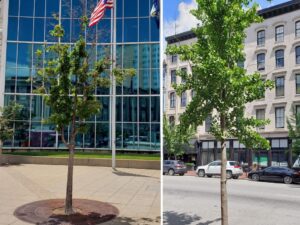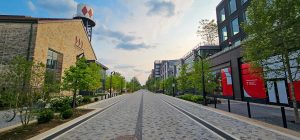
Take a moment and picture two different downtown streets.
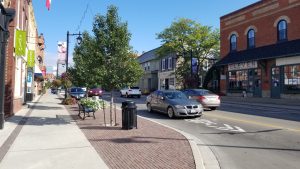
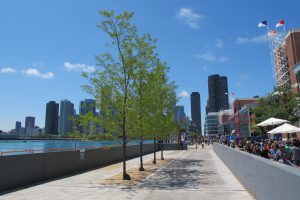
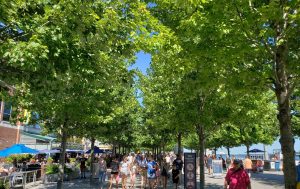
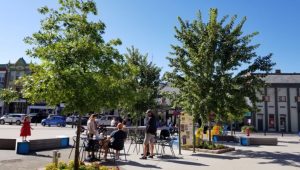
The first is lined with mature trees that provide shade over comfortable, accessible sidewalks, with seating thoughtfully incorporated into the landscape where people can enjoy a coffee, meet a friend, or simply take a break. The trees, pavement, and surrounding streetscape complement one another, creating an environment that feels welcoming and encourages people to spend time there.
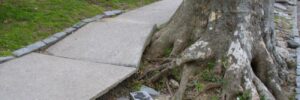
Now imagine another street where tree roots have gradually lifted and cracked the sidewalks, making pedestrian access more difficult, while aging infrastructure and limited seating have made the space less inviting. Although the street may have originally been designed with many of the same intentions, the experience has changed as the trees have grown and the needs of the community have evolved.
Both streets have trees and infrastructure intended to serve the people who use them, yet the experience of walking through each is remarkably different. What makes one a place where people want to spend time while the other becomes somewhere they simply pass through?
The Difference Between Designing a Space and Creating a Place
A downtown street may provide everything needed for people to move safely from one destination to another, but its value to the community extends beyond transportation. The most inviting public spaces create opportunities for people to gather, connect with their surroundings, and participate in the life of their community.
For landscape architects, engineers, and urban planners, this distinction is important because the success of a streetscape depends not only on meeting its technical requirements, but also on how the finished environment supports the people who use it.
The Details That Change How a Place Feels
The way trees are integrated into paving and pedestrian areas can influence how comfortably people navigate a streetscape, while the placement of seating can create opportunities to stop and enjoy the surroundings.
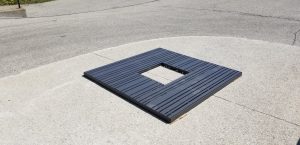
Tree grates, paving patterns, planters, and street furniture also contribute to a community’s identity. Beyond their practical functions, the design and placement of these elements can reinforce the character of the surrounding architecture and neighborhood, creating a more cohesive and recognizable public space.
Bringing the Whole Streetscape Together
Creating a cohesive public space requires balancing priorities that don’t always fit neatly together. Landscape architects consider how the environment looks, feels, and functions, while engineers must account for drainage, utilities, and structural requirements. Municipalities must also consider accessibility, maintenance, budgets, and how the space will serve their communities over time.
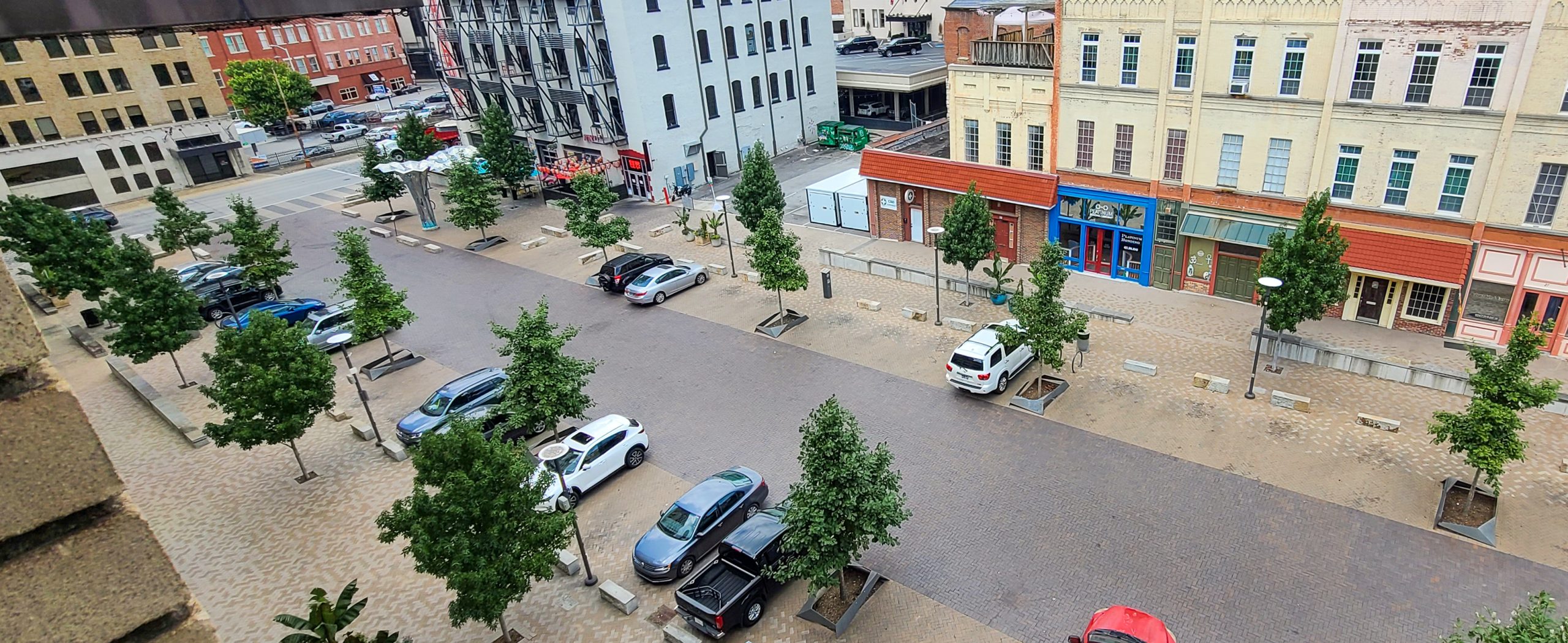
These considerations become particularly challenging in established urban environments, where available space is limited and new design elements must work around existing infrastructure. The placement of a tree, for example, may influence pedestrian circulation, underground utilities, paving, and nearby seating, making it difficult to consider any one feature independently.
Project Spotlight: East Main Street, Round Rock, Texas
The East Main Street improvements in Round Rock, Texas, offer an example of how streetscape design can respond to both the functional needs of an urban environment and the experience of the people using it.
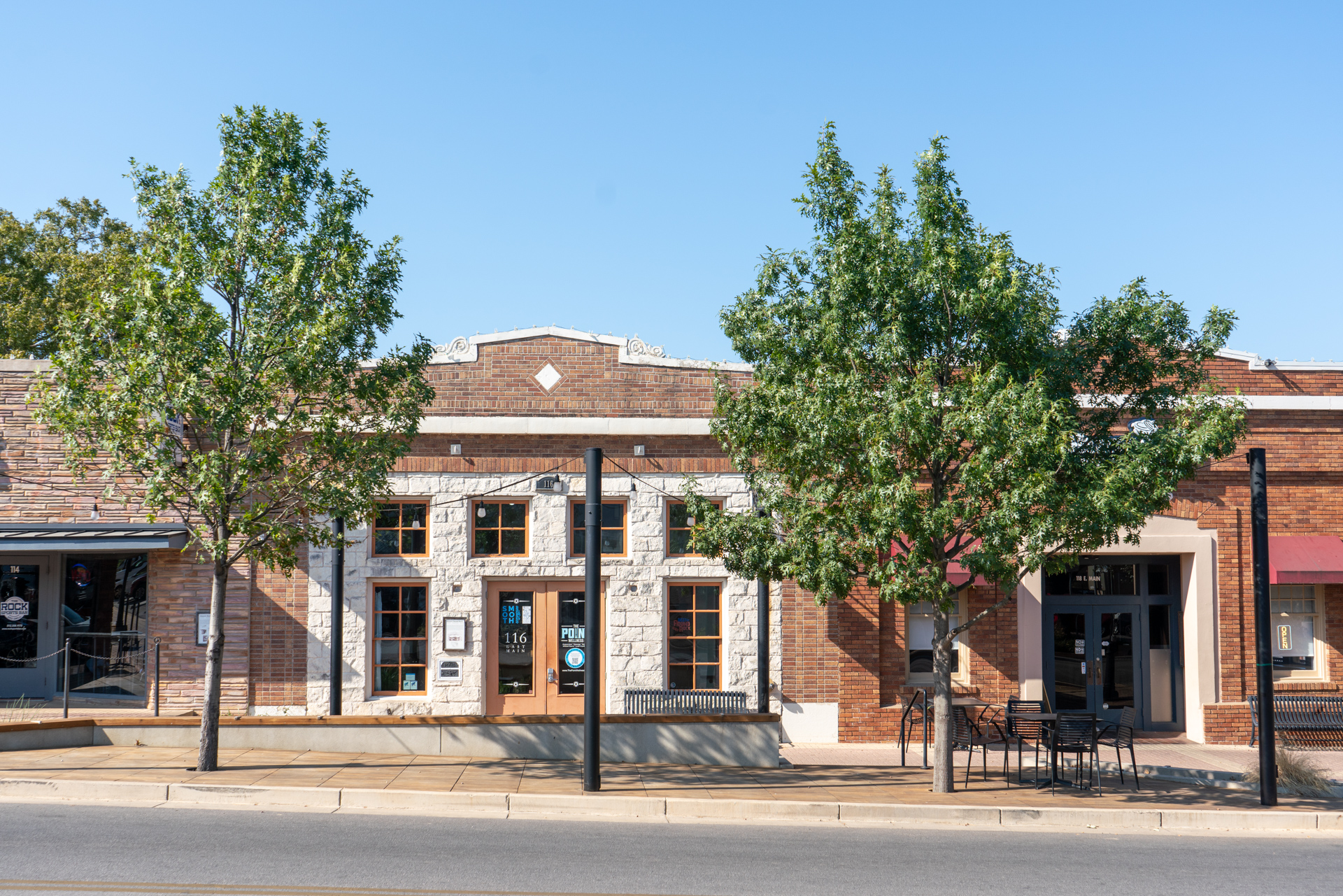
In downtown Round Rock, the city wanted to create a more walkable, inviting environment that would encourage pedestrian activity and support local businesses. The East Main Street improvements introduced six parklets that extended pedestrian space into areas previously used for parking.
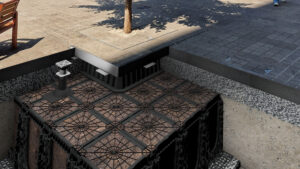
The parklets incorporated trees, seating, landscaping, and lighting to create comfortable places for people to gather, dine, and spend time downtown. Beneath the surface, GreenBlue Urban’s soil cell infrastructure helped accommodate tree growth within the paved environment, allowing the landscape and pedestrian improvements to function together.
Designing Beyond Project Completion
Creating successful public spaces requires collaboration from the earliest stages of design, bringing together landscape architects, engineers, municipalities, and other project partners to consider how the entire streetscape will function over time. Decisions about trees, water management, pedestrian access, and surrounding infrastructure are interconnected, and addressing them early can help avoid compromises that affect the finished environment.
The success of a streetscape should extend well beyond project completion. By considering how trees will mature, infrastructure will age, and community needs may change, design teams can create places that remain functional, welcoming, and valuable for years to come.